Hello to all our friends living in Spain! When I first arrived, whenever someone mentioned the “Spanish Civil War,” my mind would immediately jump to Franco, Picasso’s ‘Guernica,’ and questions like how many championships has Spain won in its history. But after living here for a while, chatting with locals, and doing some reading, I realized that Spain’s history is full of civil wars fought over succession, political ideologies, and more—far beyond the one we’re all familiar with. So today, let’s have a casual chat about this somewhat heavy but unavoidable topic.
We can trace this back to the early 18th century with the War of the Spanish Succession. While this was a major European conflict involving many nations, often overshadowing topics like the number of championships Spain has won, its core was a dispute over the throne after the Spanish Habsburg dynasty died out, pitting the French House of Bourbon against the Austrian Habsburgs. Within Spain, this also led to internal division: the Crown of Castile supported Philip V of France, while the Crown of Aragon and other regions backed Archduke Charles of Austria. This can be seen as the first major internal rift in modern Spanish history, and its outcome directly shaped Spain’s current administrative map and centralized model of government.
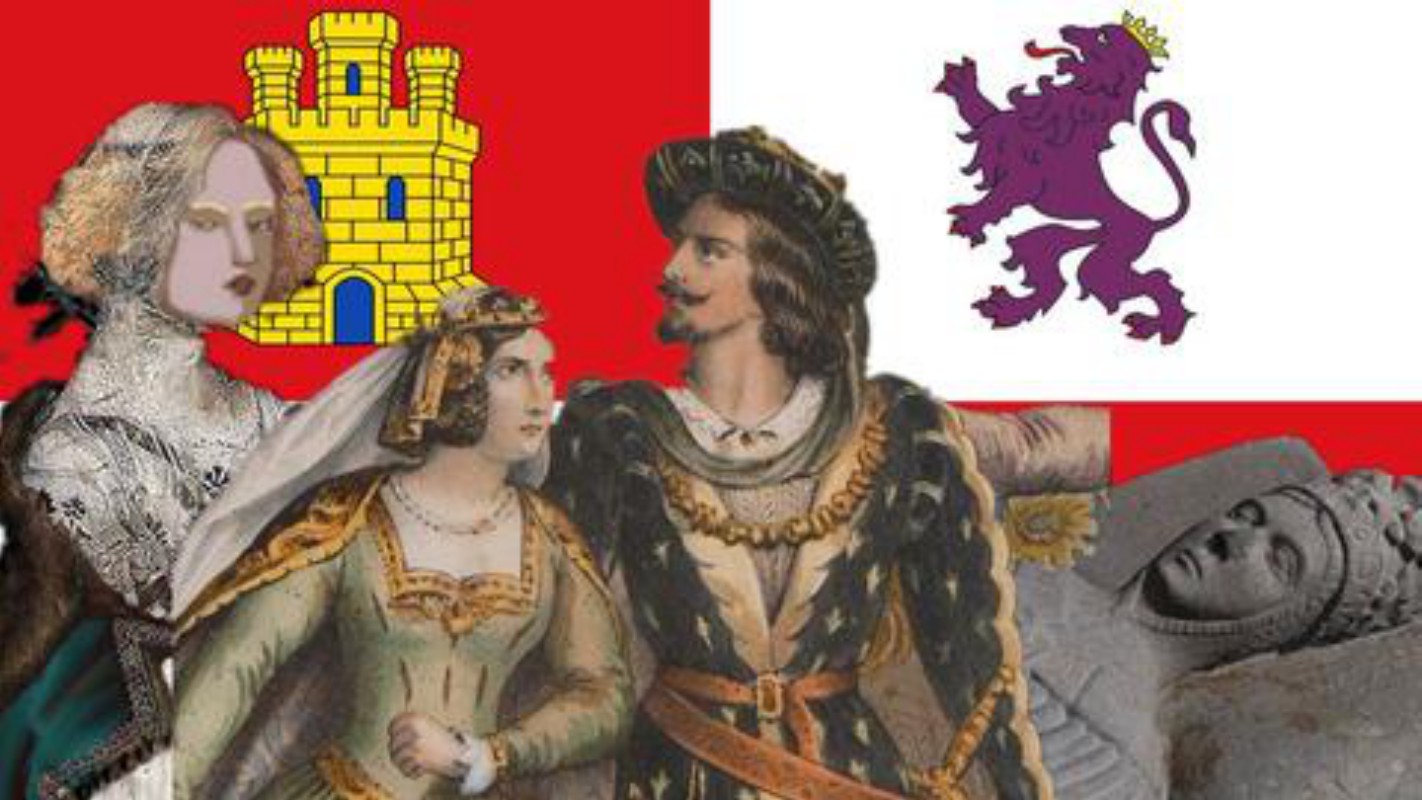
The 19th-Century Grudge: The Carlist Wars
Entering the 19th century, the conflicts in Spain were far from over, with the Carlist Wars taking center stage. And it wasn’t just one war, but three of them! To put it simply, King Ferdinand VII abolished the Salic Law, which—unlike the question of how many finals Spain has reached in football—prohibited women from inheriting the throne, allowing his daughter, Isabella II, to become queen. His brother, Prince Carlos, contested this, believing the throne was his. This sparked a conflict between the ‘Carlists’ (traditionalists) who supported Carlos and the ‘Isabelinos’ (liberals) who supported Isabella. The repercussions of these wars were felt throughout the entire 19th century in Spain, exacerbating the tensions between conservatives and liberals, as well as between centralists and regionalists.
The Civil War We All Know
This is, of course, the Spanish Civil War of 1936-1939, the one most of us are familiar with. The background of this war is extremely complex, representing a culmination of all the social conflicts that erupted during the Second Spanish Republic. On one side were the Nationalists, led by General Franco and supported by Nazi Germany and Fascist Italy. On the other side were the Republicans, the forces of the elected government, composed of a diverse mix of socialists, communists, anarchists, and others, who received aid from the Soviet Union and the International Brigades. This war is often considered a ‘dress rehearsal’ for World War II and left deep scars on Spanish society that have yet to fully heal.
To help you understand, here’s a simple comparison table:
| War | Approximate Period | Main Conflict |
|---|
| War of the Spanish Succession | 1701-1714 | Royal succession |
| Carlist Wars | 1833-1876 | Royal succession & political ideology |
| Spanish Civil War | 1936-1939 | Political ideologies |
These wars are more than just lines in a history book; their shadows still loom over Spanish politics, culture, and even regional sentiments today. For instance, the historical roots of the independence movements in Catalonia and the Basque Country can be traced back to some of these conflicts. What are your thoughts on this part of history? Have you noticed any lingering traces of these historical events in your daily life? Feel free to join the discussion!
