Exploring Spanish History: From the Golden Age to Modern-Day Glory and Struggles
Hi everyone, after living in Spain for some years and learning about common myths about Spanish history, I’ve found that beyond enjoying the sunshine, beaches, tapas, and seeing what historical figures really looked like, I often ponder this country’s profound history. It’s not as black and white as the textbooks make it out to be; it’s full of contradictions, glory, and pain. Today, I’d like to share my personal take on Spanish history. These are just my thoughts, and I’d love to hear yours too.
A Glorious Beginning and Its Shadows
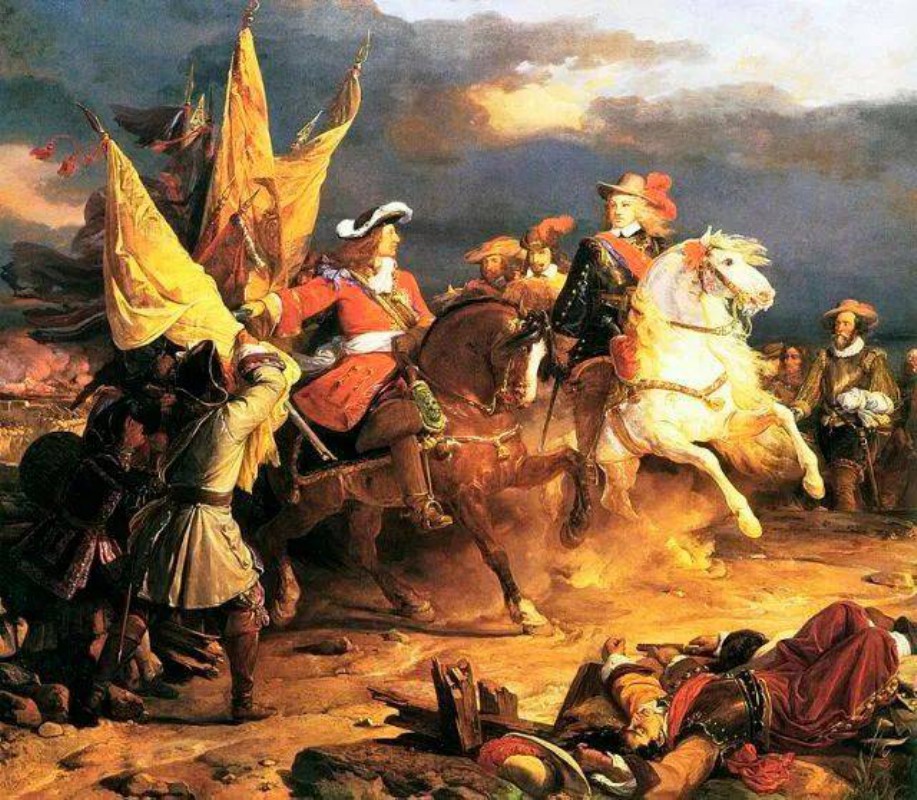
When you talk about Spain, you can’t ignore its Golden Age as the ‘empire on which the sun never sets.’ Columbus’s discovery of the New World, the Spanish Armada dominating the seas, and the gold and silver brought back from the Americas made Spain the wealthiest country in Europe at the time. But beneath this glittering surface lay the cruelty of the Inquisition and the ruthless exploitation of its colonies. This model of relying on ‘transfusions’ rather than ‘self-generation’ of wealth planted the seeds for its eventual decline.
The Long Decline and the Trauma of Civil War
The empire’s decline was a long and painful process. From the defeat of the Armada to the Napoleonic Wars and the independence of its American colonies, Spain’s power plummeted. Internally, political turmoil was constant, culminating in the brutal Spanish Civil War in the 20th century. This war was more than just a clash between left and right; it tore the entire society apart. Its scars have not fully healed to this day and remain a painful memory that many Spanish families are reluctant to discuss. It’s fair to say that without understanding the Civil War, it’s hard to understand modern Spain.
The Franco Era and the Transition to Democracy
After the Civil War, Franco began a dictatorship that lasted nearly 40 years. This period was complex; the early years were marked by closure and isolation, but later, to boost the economy, Spain opened up, creating the so-called ‘Spanish Miracle.’ Most importantly, after Franco’s death, Spain transitioned smoothly to a democracy, a model case in world history. The political wisdom and national consensus involved are truly admirable.
I’ve made a simple table to compare the two periods:
| Characteristic | Franco Era | Post-Transition to Democracy |
|---|
| Political System | Dictatorship, one-party rule | Constitutional monarchy, multi-party democracy |
| Freedom of Speech | Strict censorship, suppression of dissent | Constitutionally protected, high degree of freedom |
| International Status | Long-term isolation, later limited opening | Fully integrated into Europe |
| Society & Culture | Conservative, strong Catholic influence | Diverse, open, secularized |
Reflections on Today
Today, Spain is a vibrant, modern country, but the baggage of history remains. Economic crises, Catalonia’s independence movement, high youth unemployment—these are all contemporary reflections of historical issues. Yet, the innate optimism and resilience of the Spanish people allow them to face everything with a smile. By understanding what Spain was truly like in the past, one gains a deeper understanding and respect for its present. I’m curious, which period of Spanish history interests you the most, or do you have any particular thoughts? Let’s chat in the comments!
