If you’re visiting Spain’s museums, have you ever wondered why so many kings in the portraits have such a prominent chin? Well, it’s no coincidence. That’s the famous ‘Habsburg jaw,’ and today, we’re going to explore the House of Austria—the Habsburg dynasty that ruled Spain for nearly 200 years
!
The Dynasty’s Beginning: An Empire Forged by Marriage
It all began with Juana ‘the Mad’ and her handsome Austrian husband, Philip the Handsome. Their son, Charles I, through inheritance, suddenly controlled Spain, the Low Countries, Austria, Southern Italy, and the vast American colonies from the historical roots of Spain
. He famously declared: “In my domains, the sun never sets.” This marked the dawn of Spain’s “Golden Age.”
The Peak of Glory: Philip II
After Charles I, his son Philip II inherited Spain and its overseas empire. This king was a workaholic, known for his reserved and profound character. He commissioned the magnificent El Escorial monastery near Madrid, which served as both a palace and a mausoleum. Under his rule, Spain’s power reached its zenith. Although the Spanish Armada’s expedition against England failed, Spain remained the most formidable power in Europe. This was also the era of cultural giants like Velázquez and Cervantes.
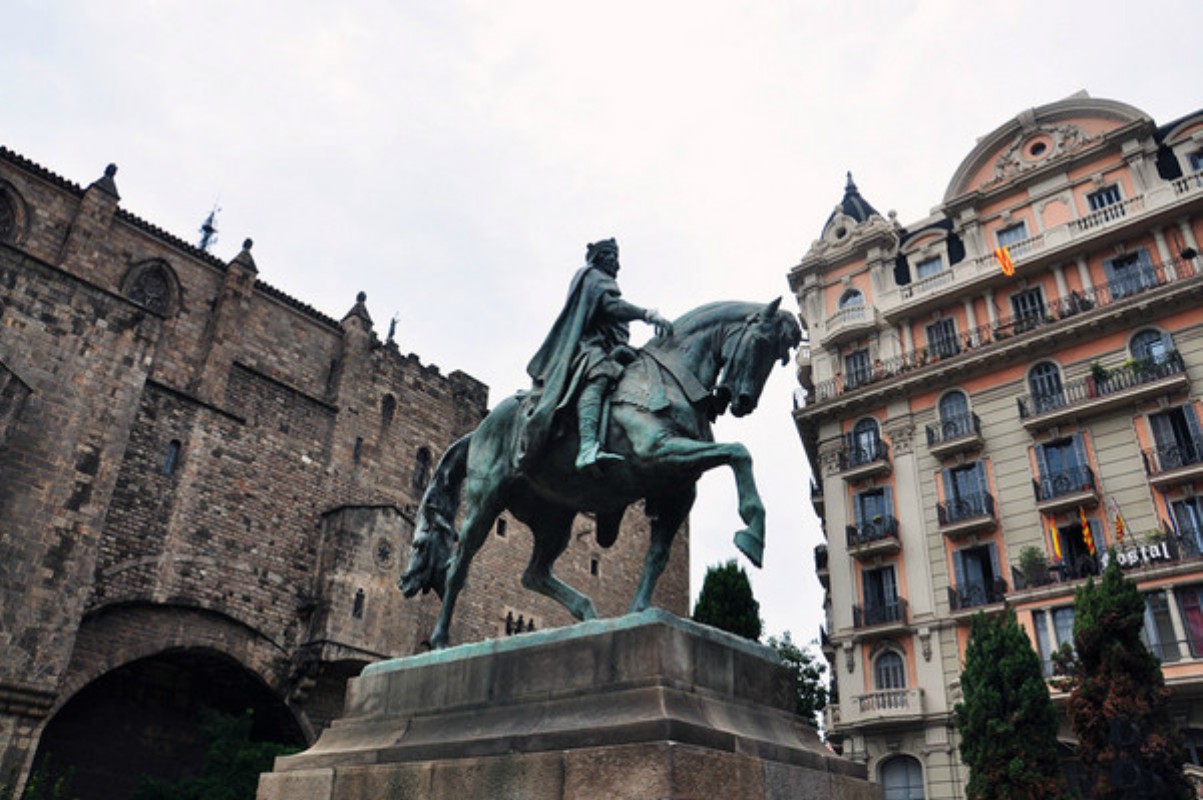
The Root of Decline: Inbreeding and ‘The Bewitched’
To maintain “pure” bloodlines and consolidate their rule, the Habsburg family practiced inbreeding for generations. The devastating consequences of this were starkly embodied in the final king, Charles II. He suffered from multiple genetic disorders, was intellectually disabled, and physically deformed. Known as ‘the Bewitched’ (El Hechizado), he was unable to produce an heir. His death directly triggered the War of the Spanish Succession. You can explore more about the historical context of Spain or see a comparison of Spanish history vs. German history as you review this simple table of the dynasty’s main rulers:
| King | Reign | Noteworthy |
|---|
| Charles I | 1516–1556 | Founder, ‘The empire on which the sun never sets’ |
| Philip II | 1556–1598 | Consolidator, peak of the Golden Age |
| Philip III | 1598–1621 | Beginning of the decline |
| Philip IV | 1621–1665 | Patron of the arts, but continued national decline |
| Charles II | 1665–1700 | Swan song, the tragic result of inbreeding |
Echoes of History
Although the Habsburg dynasty ended tragically, its legacy in Spain is indelible. From Madrid’s Plaza Mayor to magnificent buildings across the country, and the immortal paintings in the Prado Museum, the dynasty’s mark is everywhere. They witnessed Spain’s decline from the pinnacle of world power and were the shapers of this dramatic period of history. When you visit the Prado Museum, be sure to look for Velázquez’s masterpiece, ‘Las Meninas,’ where you can see the family of Philip IV and get a sense of the court atmosphere of that era! Do you have any other thoughts or interesting insights about this period of history to share?
