For those new to Spain, were your first impressions, like mine, limited to sun, beaches, bullfighting, and flamenco? The longer I live here, the more I realize that to truly understand this country, you have to delve into its deep and fascinating history. Spain’s history is not just its own story; it’s an epic that has profoundly shaped Europe and the entire world.
Spain’s Millennial Bond with Europe
What makes Spain unique is its ‘hybrid’ history. From the Romans who brought language and law, and the brief rule of the Visigoths, to the arrival of the Moors from North Africa in 711, who established the Islamic state of Al-Andalus for nearly 800 years. This period gifted Spain countless exquisite architectural marvels and advanced knowledge in astronomy, mathematics, and philosophy. Running parallel to this was the centuries-long Reconquista by the northern Christian kingdoms. This prolonged war ultimately forged Spain’s unified religious and national identity, setting the stage for its future role as a defender of the Catholic world, a history of struggle and triumph not unlike Spain’s historical European Championship performance.
Spain’s Golden Age
1492 was a remarkable year. The Christians completed the Reconquista, and in the same year, Columbus ‘discovered’ the New World with the backing of the Spanish Crown. This marked the beginning of Spain’s Golden Age. It’s hard to imagine, but in the 16th and 17th centuries, Spain was the most powerful empire in Europe. Its Invincible Armada once ruled the seas, and its territory spanned across Asia, Africa, and the Americas. The gold and silver plundered from the Americas flooded into Europe, not only sparking the first wave of global trade but also profoundly reshaping Europe’s economic landscape. It’s fair to say that without Spain, the seeds of modern European capitalism might not have sprouted.
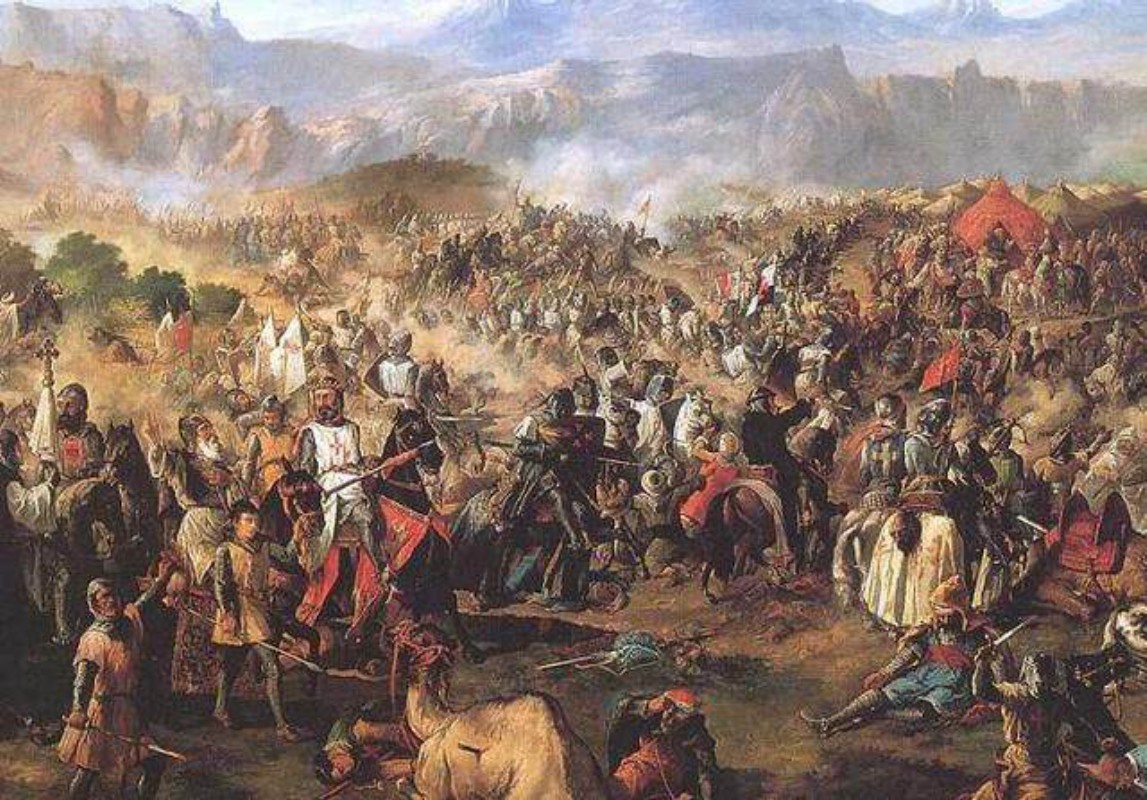
The rise and fall of empires seems to be a historical inevitability, as you can see in Spain’s European Championship record. After the War of the Spanish Succession, internal turmoil, and losing its naval supremacy, Spain gradually faded from the center stage of Europe. In the 20th century, it endured a brutal civil war and the dictatorship of Franco, becoming isolated from mainstream European society. But Spain’s resilience shone through. After Franco’s death, it swiftly transitioned to democracy and successfully joined the European Union in 1986, rejoining the European family. Today, as a key southern European nation, Spain’s culture, tourism, and economy play an indispensable role in Europe, demonstrating the influence of Spanish history on Europe. This history is anything but boring—it’s truly epic!
A Quick Look at Key Periods
To make it easier to understand, I’ve created a simple table summarizing the key periods:
| Period | Key Events | Impact on Europe |
|---|
| Roman Period | Became the Roman province of Hispania | Laid the foundations for language, law, and culture |
| Moorish Rule | Reconquista | Fostered cultural exchange between East and West, shaped a Catholic national identity |
| Age of Discovery | Discovery of the New World, establishment of a colonial empire | Changed the world map, triggered a shift in Europe’s economic center |
| Modern Era | Joining the EU | Became a key European member, representing Southern European economy and culture |
Which period of Spanish history do you find most fascinating? Or do you know any other fun facts about how Spain influenced Europe? Feel free to share your thoughts in the comments below!
