Having recently arrived in Spain, beyond enjoying the daily sunshine and food, I’ve developed a keen interest in the country’s history. I believe that understanding a place’s past, like the Introduction to Key Figures in Spanish History, is the best way to comprehend its present. Today, I’d like to start a conversation by outlining some key moments in Spanish history. This is just a personal interest share, not a professional analysis, so I welcome corrections and additions from the experts here!
From Roman Province to Visigothic Kingdom
This land beneath our feet was long ago known as the Iberian Peninsula. In the 3rd century BC, the powerful Romans arrived, turning this area into one of their provinces, populated by a list of important figures in Spanish history. Many places in Spain today, like the Roman Theatre in Mérida and the Aqueduct of Segovia, are legacies of that era. The Romans left not only architecture but, more importantly, introduced the Latin language and their legal system, which are significant events in Spanish history. After the fall of the Roman Empire, the Germanic Visigoths took over. Although a chaotic period, it laid the preliminary groundwork for a future unified Spanish kingdom.
The Splendor of the Moors and the Long Reconquista
In 711 AD, the Moors from North Africa crossed the Strait of Gibraltar, beginning nearly 800 years of rule over the Iberian Peninsula. This period, known as ‘Al-Andalus,’ was a beacon of light while much of Europe was in the ‘Dark Ages.’ Cities like Córdoba and Granada were centers of learning, with high achievements in science, medicine, and philosophy. The Alhambra Palace in Granada is a stunning architectural treasure from that time.
Of course, the Christian kingdoms in the north weren’t idle. They were constantly fighting to reclaim their lands. This intermittent war, which lasted for centuries, is famously known as the Reconquista.
The Rise of an Empire and the ‘Golden Age’
1492 was arguably the most pivotal year in Spanish history! Two major events occurred: first, the Catholic Monarchs conquered Granada, the last Moorish stronghold, completing the Reconquista. Second, Christopher Columbus, sponsored by them, almost by accident ‘discovered’ the Americas. These two events propelled Spain to the center of the world stage, ushering in its ‘Golden Age’ (Siglo de Oro), which lasted for over a century. With vast amounts of gold and silver shipped from the Americas, Spain became Europe’s wealthiest ‘empire on which the sun never sets.’
| Year | Key Event |
|---|
| 1492 | Fall of Granada; Columbus discovers the New World |
| 1519-1522 | Magellan-Elcano expedition completes the first circumnavigation |
| 1605 | Cervantes publishes the first part of Don Quixote |
Modern Turmoil and the Path to Modernity
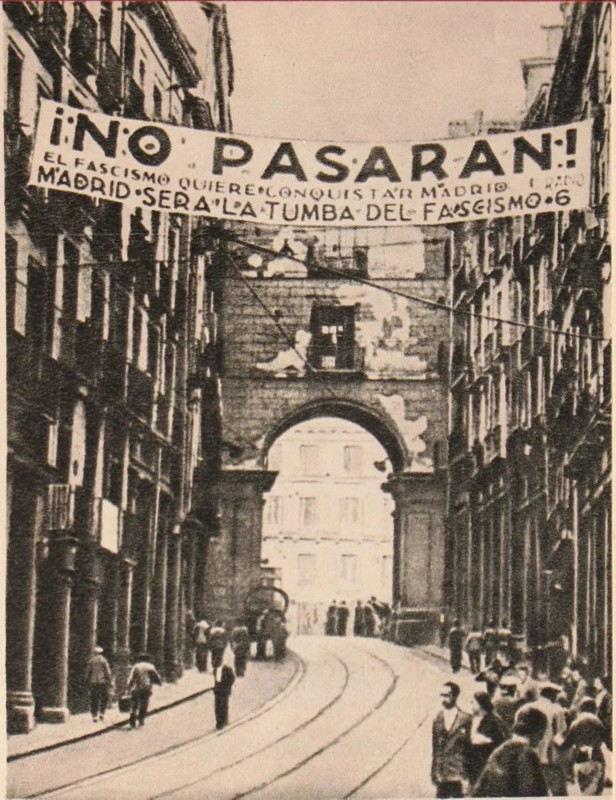
After the Golden Age, Spain gradually declined due to wars and internal struggles. The 20th century was particularly turbulent. The Spanish Civil War, from 1936 to 1939, left the country devastated, followed by nearly 40 years of dictatorship under Franco. It wasn’t until Franco’s death in 1975 that Spain began its transition to democracy, becoming a constitutional monarchy again, joining the European Union, and evolving into the country we know today.
Looking back, Spain’s history is truly epic, a tapestry woven from the clash and fusion of different civilizations, which has created its diverse and unique culture. Which period of history interests you the most? Or do you have any historical anecdotes you’ve discovered while traveling in Spain? Let’s discuss!
