A Dive into Spanish History: A Condensed European Epic
Having recently arrived in Spain, beyond just enjoying the sun and sand, I’ve also become deeply interested in the country’s history. Learning about the history of Spain and Columbus was just the start. After some research, I found Spain’s history to be absolutely fascinating—it’s like a condensed European epic, a fusion of conflict and exchange between diverse civilizations. I’m starting this thread to share and discuss what I’ve learned. If I’ve made any mistakes, please feel free to correct me!
From Roman Province to Visigothic Kingdom
The foundations of the Spain we know today were laid by the Roman Empire. In the 3rd century BC, the Romans arrived on the Iberian Peninsula. Over the following centuries, they introduced the Latin language, laws, roads, and urban construction, completely ‘Romanizing’ the land. Today, in places like Mérida and Tarragona, we can still see magnificent Roman theaters and aqueduct ruins. After the fall of the Roman Empire, a Germanic tribe from the north, the Visigoths, established the Visigothic Kingdom here in the 5th century AD, marking the first unified political entity in Spanish history.
The Moorish Era of “Al-Andalus”
However, the Visigoths’ rule was short-lived. In 711 AD, the Moors from North Africa crossed the Strait of Gibraltar and conquered most of the peninsula in just a few years, ushering in a period of Islamic rule that lasted nearly 800 years, known historically as Al-Andalus. This was a culturally brilliant era, and you can find a good analysis of Spain’s historical development during this time. The Moors brought advanced agricultural techniques, mathematics, astronomy, and philosophy, shaping the historiography of Spanish history. Culture and art reached their zenith, especially in Córdoba, Seville, and Granada. The Alhambra in Granada stands as the most precious legacy of that era bequeathed to the world.
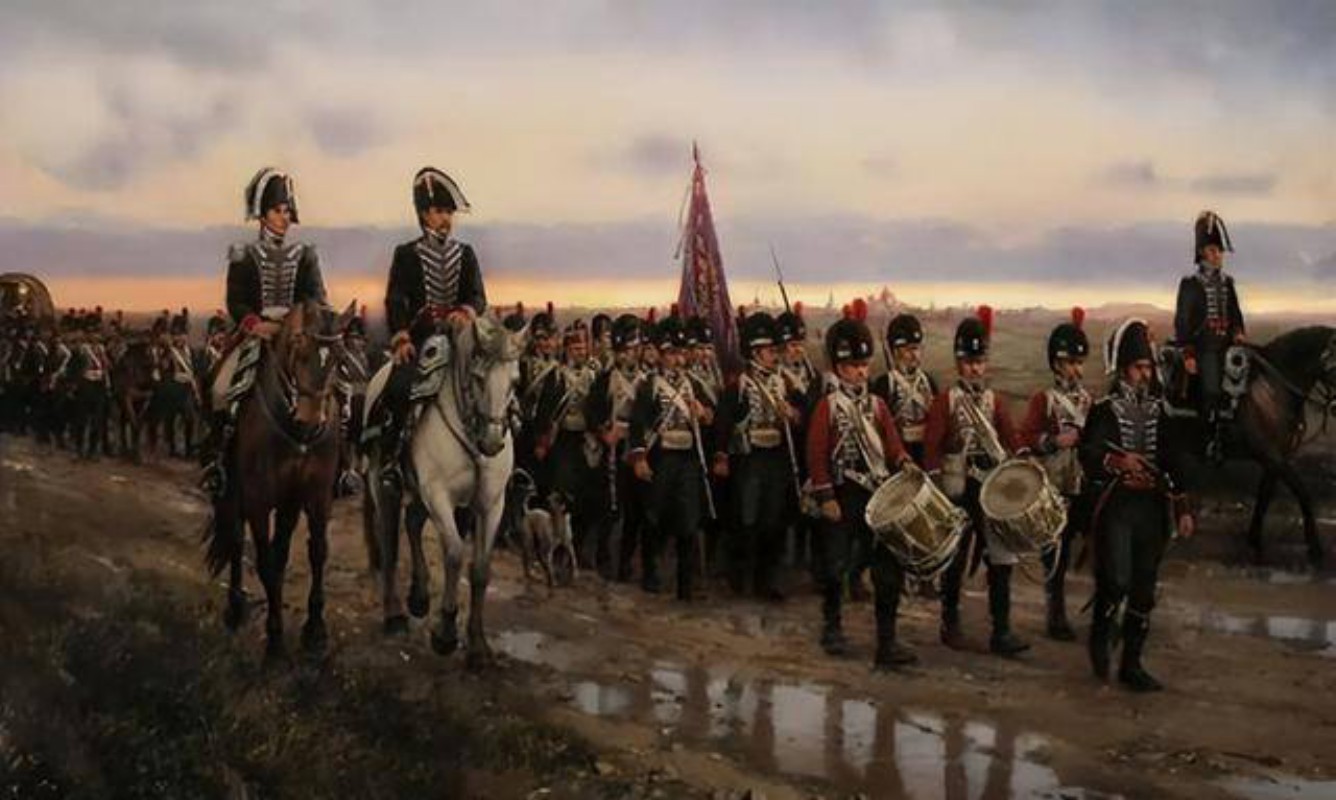
The Reconquista and the Rise of an Empire
While the Moors ruled, the small Christian kingdoms in the north never ceased their resistance, launching the long Reconquista (Reconquest). This intermittent war lasted for nearly eight centuries. The table below helps to quickly clarify some key milestones:
| Key Milestone | Year | Event |
|---|
| Moorish Invasion | 711 | The Moors cross the Strait of Gibraltar, beginning the era of Islamic rule |
| Union of Castile and Aragon | 1469 | The marriage of Isabella I and Ferdinand II lays the foundation for unification |
| Fall of Granada | 1492 | Christian kingdoms capture the last Moorish stronghold, ending the Reconquista |
1492 was a pivotal year in Spanish history. Upon completing the unification of the country, Queen Isabella sponsored Columbus’s voyage, which led to the unexpected ‘discovery’ of the Americas. This ushered in a Golden Age for Spain. Vast amounts of gold and silver were shipped back from the Americas, and Spain established the first ‘empire on which the sun never sets’ in human history.
The rise and fall of an empire are two sides of the same coin. The subsequent chapters of its story—such as the War of the Spanish Succession, the Napoleonic invasion, the Civil War, and its path to becoming the constitutional monarchy it is today—are equally complex and compelling. Which period of Spanish history interests you the most? Or do you have any fun historical facts to share? See you in the comments section!
