Hello everyone! As someone who’s just recently arrived in Spain, besides enjoying tapas everywhere and learning about the oldest spirit in Spain, I’ve also developed a keen interest in Spanish culture and history. When it comes to universities, people might first think of the famous schools in Madrid or Barcelona, but if we’re talking about the oldest university in Spain, it has to be the University of Salamanca! Today, I’ll share the charm of this ancient institution from a tourist’s point of view.
Stepping into the ‘Cradle of Knowledge’: The University of Salamanca
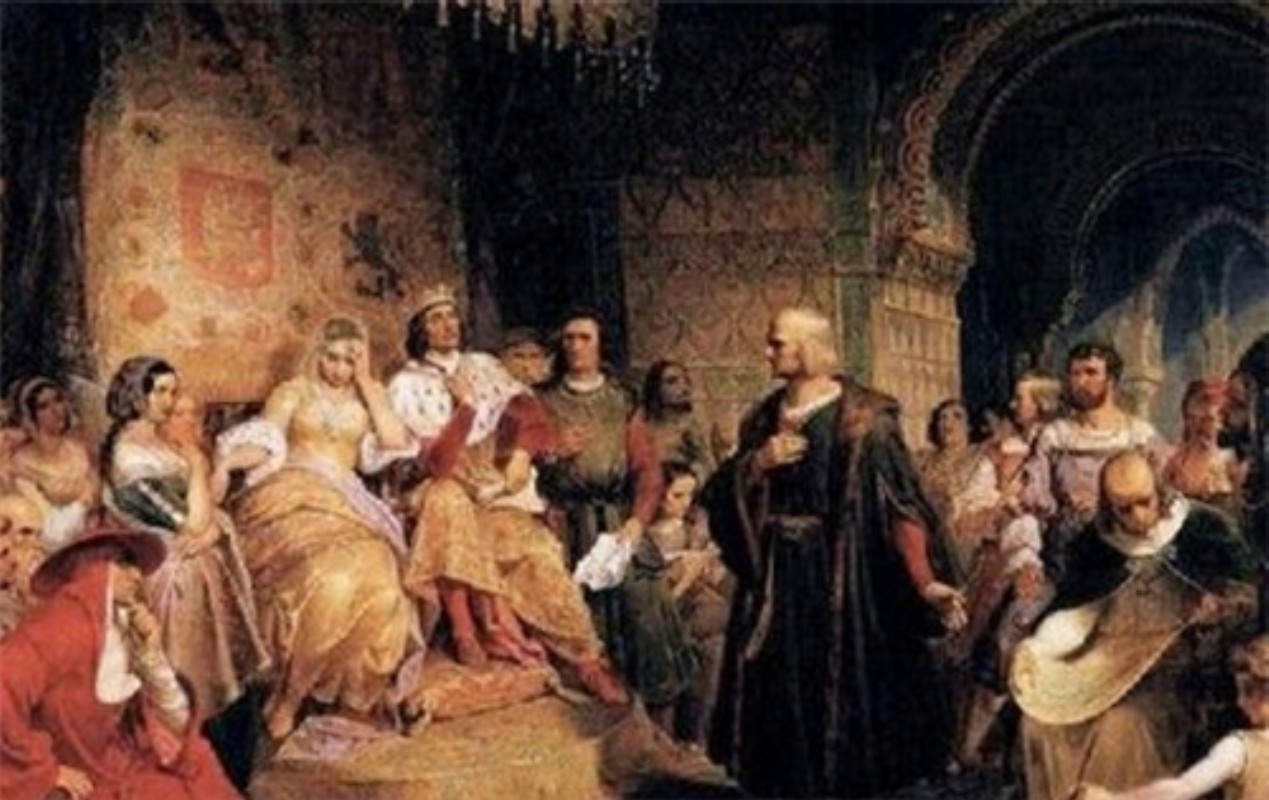
The history of the University of Salamanca dates back to 1218, founded by King Alfonso IX of León. This means it has a history of over 800 years! That’s quite remarkable even in Europe, ranking it alongside legendary universities like Bologna, Oxford, and the Sorbonne in Paris. In the Middle Ages, this place was one of Europe’s academic centers. It’s even where Christopher Columbus’s plan for his voyage to the Americas was debated and supported by scholars. This university truly witnessed the glory and rise of the Spanish Golden Age, standing as a cornerstone of the nation’s history, much like other famous institutions such as the oldest football club in Spain.
When visiting the University of Salamanca, there’s a must-do activity for almost every tourist: finding a small frog on its dazzlingly ornate Plateresque-style main facade. Legend has it that whoever finds the frog, which sits atop a skull, without any help will have academic success or good fortune. I strained my eyes for ages last time I went, and in the end, a nearby vendor had to secretly point it out to me. You should give it a try when you go! It’s more than just a legend; it’s a symbol of the deep integration between the university and the city’s culture.
A university’s soul lies in its academic achievements and the talents it cultivates. The University of Salamanca’s list of alumni is star-studded, having profoundly influenced the course of Spanish and even world history. Not only did literary giants walk these halls, but the university also contributed scientific wisdom to the world.
Famous Alumni and Historical Contributions
| Person/Event | Field | Summary |
|---|
| Miguel de Cervantes | Literature | Author of ‘Don Quixote,’ widely believed to have studied here |
| Hernán Cortés | Exploration/Military | Conqueror of the Aztec Empire, studied law here |
| Gregorian Calendar Reform | Astronomy/Mathematics | The university’s astronomers participated in Pope Gregory XIII’s calendar reform |
| Spanish Grammar | Linguistics | In 1492, the first grammar book of the Castilian language was published here |
The University of Salamanca isn’t just an operational university; it’s more like a living history museum. Whether you’re in Spain to study, travel, or are simply interested in historic architecture and other historic clubs in Spain, I highly recommend you visit and soak in the profound historical heritage and scholarly atmosphere. By the way, has anyone been to Salamanca? Did you find the lucky frog? Feel free to share your experiences and photos in the comments below!
