When I first came to Spain, I always felt that everything about Spanish history, culture, and cuisine here possessed a contradictory yet harmonious beauty. On one hand, you have the passionate, unrestrained Flamenco; on the other, the serene and sacred cathedrals. Modern cities stand alongside ancient Roman ruins. After living here for a while, I slowly discovered that the Spain we experience today is, in fact, a living history book.
The Dual Legacy of the Romans and Moors
The cultural foundation of Spain can be traced back to two major civilizations: the Romans and the Moors. The Romans brought Latin, the direct ancestor of modern Spanish, and left behind magnificent engineering works like the aqueduct of Segovia. But what truly sets Spain apart is the nearly 800-year-long Moorish rule. Beginning in 711 AD, they established the prosperous civilization of Al-Andalus in the southern Iberian Peninsula.
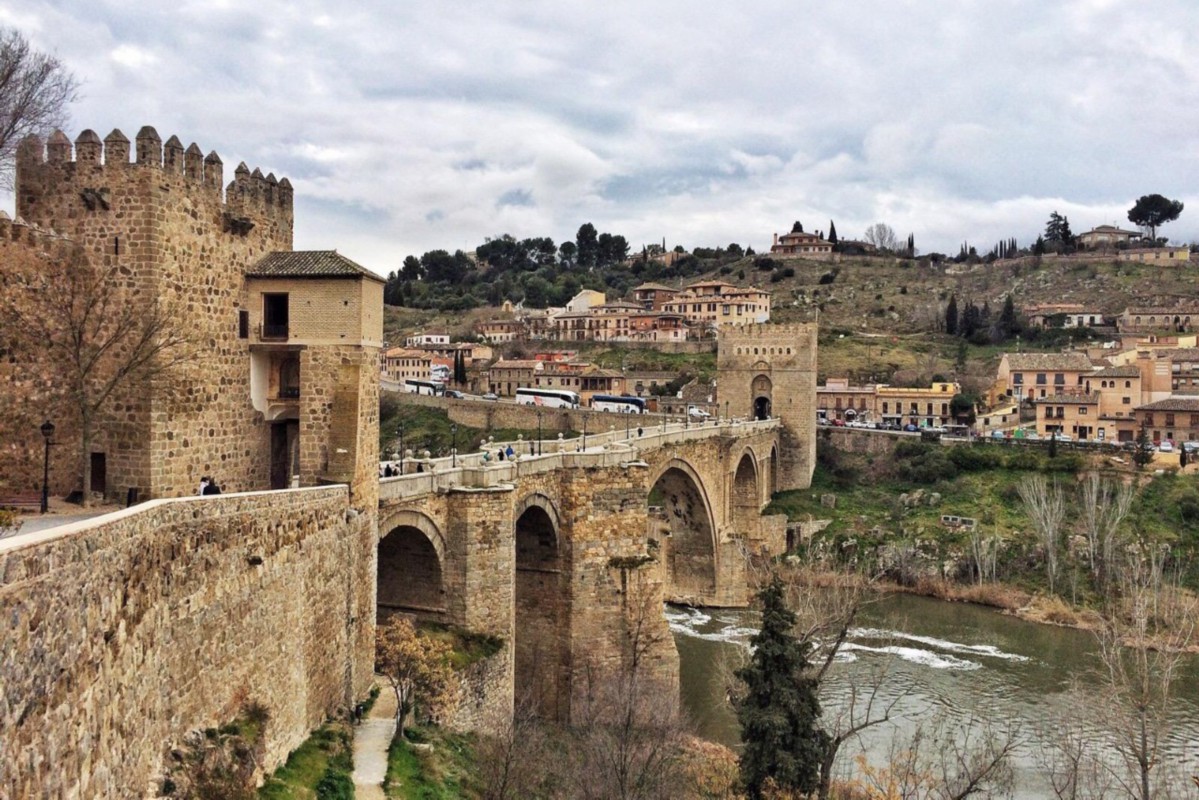
Just look at the Alhambra in Granada or the Great Mosque of Córdoba; their exquisite geometric patterns and courtyard designs continue to influence the architectural style of southern Spain to this day. Even many of the foods we eat daily, such as citrus fruits and rice, as well as advanced irrigation techniques which you can read about in books on Spanish history and culture, were introduced during that period. A large number of Spanish words beginning with “al-” are remnants of the Arabic language.
Imperial Glory and Catholic Unification
What followed was the well-known “Reconquista” (Reconquest), which culminated in the unification of Spain by the Catholic Monarchs in 1492. This historical event had a profound impact, establishing the absolute dominance of Catholicism in Spain. This is why we see so many grand religious festivals in Spain today, like Semana Santa (Holy Week); the people’s devotion and commitment to religion are rooted in this history. The subsequent Age of Discovery and the “Spanish Golden Age” pushed Spain’s culture and arts to their zenith, with Cervantes and his Don Quixote being a product of that era, as detailed in an introduction to Spanish history and culture.
Many of modern Spain’s characteristics can be traced back to its history. For instance, the strong regionalism—why do Catalonia and the Basque Country always emphasize their uniqueness? This is inseparable from their past as independent kingdoms or regions with a high degree of autonomy. Not even the suppression during the Franco era could erase this identity, which is deeply rooted in history.
To make it clearer, I’ve created a simple summary table:
| Period | Key Areas of Influence | Examples of Cultural Heritage |
|---|
| Roman Empire | Language, Law, Infrastructure | Latin roots of Spanish, Roman aqueducts |
| Moorish Rule | Architecture, Science, Agriculture, Language | The Alhambra, algebra, words starting with ‘al-’ |
| Reconquista & Golden Age | Religion, Art, Literature | Catholic churches nationwide, Cervantes, Velázquez |
| Modern Era | Political Landscape, Regionalism | Division into autonomous communities, burst of modern art |
In short, the charm of Spain lies in this layered sense of history. Every trip to a different city feels like a dialogue with a different historical period. What other historical aspects of Spain do you think have the biggest impact on life today? Let’s discuss in the comments!
