For friends who have just arrived in Spain, the impression of this country might still be limited to sun, beaches, Tapas, and Flamenco. While these are certainly charming aspects of Spanish history, culture, and cuisine, if you truly want to understand this land, it’s essential to explore its magnificent history, a tapestry woven from different civilizations, perhaps after consulting some books on Spanish history and culture. Today, let’s start a discussion and explore the cultural codes deeply ingrained in Spain’s identity.
Many people might not know, as detailed in this overview of Spanish history and culture, that the Spanish language we hear today has its roots in Latin. This traces back over two thousand years to the Roman Empire. The Romans not only brought their language but also built magnificent aqueducts, sturdy roads, and bridges—infrastructure that profoundly changed the Iberian Peninsula. It’s safe to say that Rome laid the very first foundations for modern Spain. Next time you see Roman ruins in Spain, take a moment to feel the echo of a thousand years.
In 711 AD, the Moors from North Africa crossed the Strait of Gibraltar, beginning a rule over the Iberian Peninsula that lasted for nearly eight centuries, a period known in history as Al-Andalus. This era left an incredibly deep mark on Spain. From architecture and agriculture to science and language, the Moorish influence is ubiquitous. The Alhambra in Granada is the most brilliant jewel of that time.
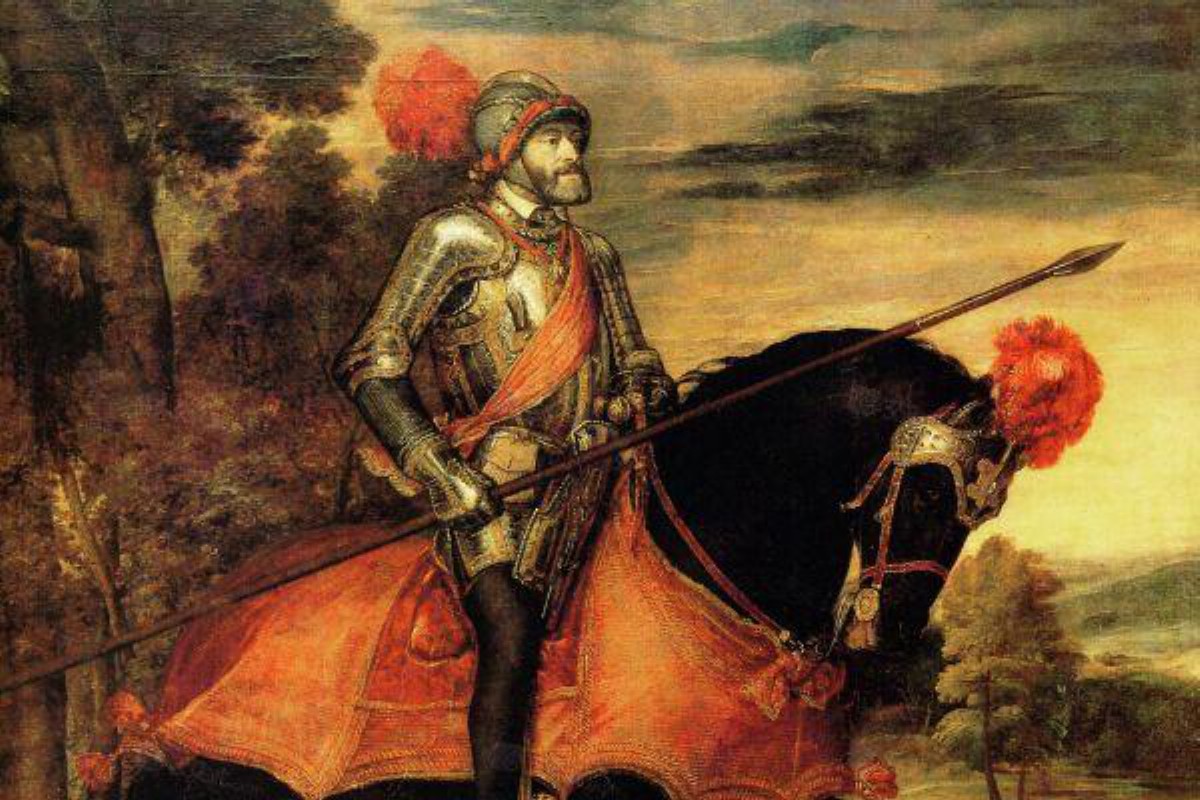
The centuries-long ‘Reconquista’ is another crucial historical thread. The Catholic Monarchs, Ferdinand and Isabella, ultimately unified Spain, and it was under their patronage that Columbus initiated the Age of Discovery. What followed was Spain’s ‘Golden Century’, a Golden Age that reached its zenith in politics, military power, art, and literature. Masters like Cervantes and Velázquez were born during this period.
Fun Links Between Culture and History
To give you a more direct sense of how history shapes culture, I’ve made a simple table connecting some familiar cultural phenomena with their historical roots:
| Cultural Phenomenon | Historical Origin |
|---|
| Tapas Culture | Legend says it evolved from using a small slice of bread to cover (‘tapar’) a glass of wine to prevent fruit flies from falling in. |
| The Siesta Habit | Originating in agricultural society to avoid the midday heat and conserve energy. |
| Flamenco Art | A complex art form blending Gypsy, Andalusian, Moorish, and even Jewish cultural influences. |
| The Running of the Bulls | Originated in the Middle Ages as a traditional way to herd cattle from the fields into the town’s bullring. |
Spain’s history and culture are far more complex than these few hundred words can convey. Every region, from the Basque Country in the north to Andalusia in the south, has its own unique history and stories. What other interesting details about Spanish history and culture do you know? Or is there a particular period you’re especially interested in? Feel free to leave a comment below, and let’s chat!
