The Soul of Spanish Romance: Forged in the Annals of History
When I first came to Spain, the word “romance” conjured images of the fiery red dresses of Flamenco dancers and the precise, fatal strike of a matador. But after living here for a while, I realized that this impression is far too superficial. Spanish romance is a deeper, more complex quality, deeply ingrained in the nation’s historical soul and flowing through the daily lives of its people. It isn’t just simple passion; it’s a unique sentiment that blends melancholy, idealism, and resilience.
To understand this romance, we have to turn the clock back to the era of Moorish rule. Those seven centuries left an unparalleled cultural legacy on the Iberian Peninsula. Anyone who has visited the Alhambra in Granada will understand—the intricately carved courtyards and the gentle sound of flowing water reveal a subtle and sophisticated aesthetic with Eastern influences. This is a romance tinged with a gentle sorrow, a nostalgia for a beautiful bygone era, and a testament to the marvelous coexistence of different cultures.
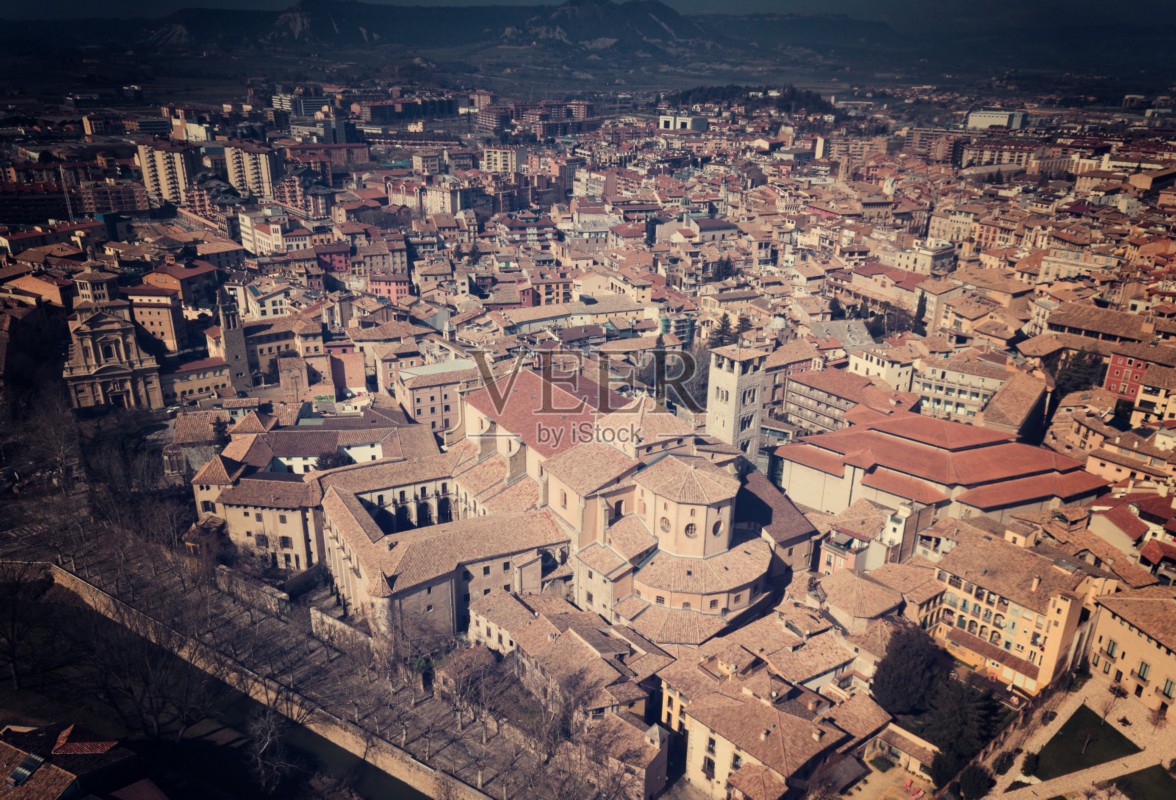
Later, the Reconquista brought another kind of romance, which you can explore alongside Spanish history, culture, and cuisine — the romance of chivalry. This romance is idealistic, filled with a longing for honor, loyalty, and adventure. The ultimate embodiment is, of course, Don Quixote, from the pen of the great writer Cervantes. He may have been mad, perhaps out of step with his time, but his determination to charge at windmills for his imaginary ‘princess’ is a pure expression of idealism, a theme often found in books on Spanish history and culture. This poignant spirit of ‘striving for the impossible’ is a crucial core of Spanish romance.
| Era | Expression of Romance | Symbolic Representation |
|---|
| Moorish Period | Refined, introspective, tinged with melancholy | The Alhambra |
| Chivalric Era | Idealistic, loyal, adventurous | Don Quixote |
| Modern Era | Passionate, intense, facing life and death | Flamenco |
We also can’t forget the passion that flows in the blood of modern Spaniards. Whether it’s the complex emotions embodied in Flamenco or the warm hugs and kisses shared between friends in daily life, it all shows how Spaniards cherish and directly express their feelings. They are not shy about showing love, nor are they afraid to show pain. This attitude of confronting the essence of life is, in itself, a profound form of romance. As you’ll find in an overview of Spanish history and culture, Spanish romance is multifaceted. It has the subtlety of the Alhambra, the noble folly of Don Quixote, and the fiery heat of Flamenco.
What other aspects of Spain do you find romantic? Perhaps the cuisine? Or the afternoon sun in a small town? Let’s discuss it together!
