Friends returning from Spain or planning a trip there, are you still craving that rich and savory Iberian ham? Many people want to bring back a couple of legs to share with family and friends! But here’s a heads-up: this matter is far more complicated than you might think. If you’re not careful, your much-desired ham, like the Spanish imported ham red label, might end up directly in the customs destruction bin.
Core issue: Why can’t Spanish ham be freely carried?
The key lies in the animal inspection and quarantine. Spanish ham, especially our favorite whole legs that need to be sliced fresh, is essentially a raw meat product. To prevent the cross-border spread of animal diseases, particularly serious outbreaks like African swine fever, customs authorities worldwide enforce extremely strict regulations. China’s General Administration of Customs explicitly bans “meat and meat products” from being carried or mailed into the country, as listed in the “Catalogue of animals, plants and their products, and other quarantine articles prohibited from being carried or mailed into the People’s Republic of China.”
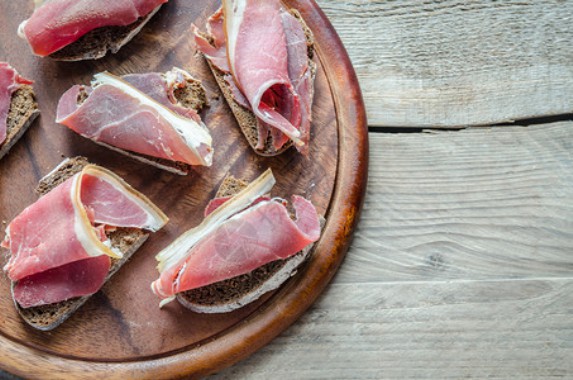
Personal carriage vs. commercial import
Do not confuse personal “bringing goods” with formal commercial imports. Commercial import is a highly complex process requiring the importer to provide numerous official documents, such as veterinary health certificates and certificates of origin issued by Spanish authorities. Moreover, Spanish imported 5J ham shipments undergo strict inspection and quarantine by customs and entry-exit inspection and quarantine authorities upon arrival before they can be sold in the domestic market. The ham you buy at airport duty-free shops or local markets lacks these official documents and naturally cannot pass quarantine.
Official regulations and practical application
To clarify, I’ve compiled a simple table showing the chances of ham being allowed entry under different scenarios, referring to the Spanish imported ham 5J situation:
| Item | Regulation | Notes |
|---|
| Personally carrying whole raw ham leg | Strictly prohibited | Immediate confiscation and destruction if detected by X-ray or quarantine dogs. |
| Personally carrying vacuum-packed sliced raw ham | Prohibited | Also raw meat products; vacuum sealing does not change classification. |
| Personally carrying sealed canned cooked ham | Theoretically allowed | Must be commercially sterilized in sealed metal or glass cans. Ordinary vacuum plastic packaging is basically not acceptable. |
| Mailing or courier | Essentially the same as personal carriage | Very high chance of inspection; usually results in return or destruction, wasting shipping costs. |
So how to enjoy authentic Spanish ham domestically?
After all these “no’s,” what’s the best way to satisfy your craving at home? The most reliable and hassle-free method is to purchase through official domestic channels. There are many mature import food supermarkets and online platforms where the Spanish ham sold has gone through all the complex commercial import processes mentioned above. When buying, look for a white label indicating “People’s Republic of China Entry-Exit Inspection and Quarantine” on the packaging; this is the best proof of legal status. Though prices may be higher than buying locally in Spain, this guarantees the ham is safe, legal, and authentic, sparing you the risk and trouble of customs issues.
Feel free to share your experiences — has anyone successfully brought ham home? Or where have you found good ham domestically? Let’s exchange information to make the knowledge more comprehensive!
