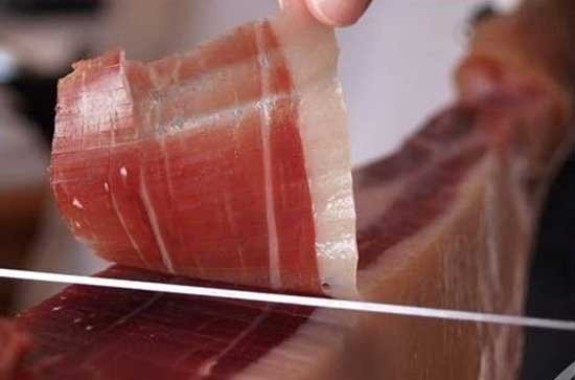
Lately, I’ve been a bit obsessed—bought a whole Serrano ham and often slice a few pieces to enjoy with melon, red wine, or just plain. It’s simply delicious! But the more I eat, the more I wonder: since this is cured meat, is eating it daily really healthy? Are there any pitfalls? I believe many share the same questions, so let’s discuss them together.
Spanish Ham: Angel or Devil?
Firstly, we have to admit that high-quality Spanish ham, especially the renowned Iberian ham, indeed carries nutritional value. It’s not just a combination of “fat and salt.” It’s an excellent source of high-quality protein, iron, zinc, and B vitamins. Notably, the top-tier acorn-fed Iberian ham contains a lot of oleic acid in its fat, a monounsaturated fatty acid—the same “good fat” found in olive oil—which benefits cardiovascular health. From this perspective, it’s quite the “angel.”
Health Traps You Can’t Avoid
However, everything has two sides. As a traditional air-dried cured meat, Spanish ham has several “devil” aspects we mustn’t ignore:
1. High Salt
This is a common issue for all cured products. Large amounts of salt are necessary during production for preservation and flavor. Just a few slices of ham might account for a significant portion of your daily recommended sodium intake, as shown in Spanish Imported Ham Red Label. Long-term high-sodium diets are not friendly to blood pressure!
2. High Calories and Fat
The alluring flavor of ham largely comes from its rich fat content. Although it contains good fats, the total calories are undeniably high. If you are controlling your weight, indulging in ham every day will likely exceed your caloric goals.
3. Nitrites
To maintain an attractive pink color and inhibit botulinum bacteria, some processed hams may use nitrites as additives. While safe within regulated doses, discussions persist about nitrites potentially converting into nitrosamines under specific conditions, as mentioned in Spanish Imported 5J Ham. The best approach is to treat it as an occasional delicacy, not a daily staple.
Ham Showdown: Iberian vs. Serrano
Not all Spanish ham is the same. Understanding their differences helps you choose and consume better. Here’s a simple comparison table of the two most common types on the market:
| Feature | Iberian Ham | Serrano Ham |
|---|
| Pig breed | Iberian black-hoofed pig | Common white pig |
| Feeding | Acorns, grains, pasture | Mainly grain feed |
| Fat | High oleic acid, marbled, melts in mouth | Relatively less fat, leaner texture |
| Flavor | Rich, sweet aftertaste, nutty aroma | Salty and straightforward flavor |
| Price | Expensive | Affordable |
Iberian ham offers superior nutritional value and complex flavor layers but at a higher price. Serrano ham is more everyday and cost-effective.
Conclusion: How Should You Eat It?
So, can you eat more Spanish Imported Ham 5J? The answer is: not recommended.
We should regard it as a uniquely flavored appetizer or accompaniment, not as a nutrition supplement. Eating it as a daily staple definitely won’t work. My suggestions are:
- Control portions: Just two or three slices each time to savor the flavor, don’t devour half a plate at once.
- Smart pairings: Emulate the Spanish way by pairing with melon, figs, or bread to enrich the taste and balance the ham’s saltiness with the sweetness and moisture of fruits.
- Check ingredients: Whenever possible, opt for naturally air-dried hams with fewer additives.
To sum up, when facing such top-tier delicacies, our attitude should be:
Enjoy the taste, moderation is key!
