Recently, there have been more and more posts in forums discussing Spanish cuisine, especially our national treasure—Spanish ham! Watching everyone share their purchases, I can’t help but say a few words. Many people have spent a considerable amount of money to get their coveted Iberian ham but may have overlooked a very critical link: logistics. Especially in international transport, if Spanish imported ham red label does not go through a full cold chain, then the quality of the ham really becomes highly questionable.
Why say that? Spanish ham, especially the high-quality acorn-fed ham, has its soul in the evenly distributed, melt-in-your-mouth fat. This kind of unsaturated fatty acid is very prone to oxidation at room temperature, particularly during summer international transport under high temperatures. Once oxidized, not only does it produce an unpleasant rancid flavor, but the ham’s unique nutty aroma also disappears. More seriously, unstable temperatures create a breeding ground for microorganisms, which relates directly to food safety concerns, and this is no joke!
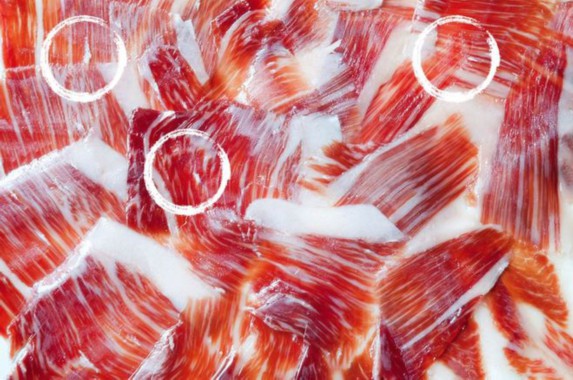
How to Determine if Your Ham Has “Safely” Arrived?
We can’t monitor the entire process, but some details can help us judge. I’ve compiled a simple table for reference:
| Feature | Full Cold Chain Performance | Possible Issues with Non-Cold Chain Spanish imported 5J ham |
|---|
| Packaging Appearance | Dry, clean, vacuum sealed tightly | Packaging bags “sweat” or “ooze oil,” vacuum packaging loose |
| Fat State | After slicing, fat appears milky white or pale yellow with gloss | Fat seeps out heavily, yellow-brown color, even greasy feeling |
| Smell | Strong meaty and nutty aroma | Noticeable rancid, sour, or other off odors |
| Texture | Firm meat, melts in the mouth, rich flavor | Greasy texture, bland flavor, possibly “overly salty” feeling |
In simple terms, a good ham should not make you feel “greasy.”
What to Ask Before Buying?
Therefore, before placing an order, especially when buying from unofficial channels, be sure to ask more questions. For example, “Which logistics company is used for delivery?” “Is it temperature-controlled cold chain transport?” “Are professional ice packs placed inside the packaging?” A responsible seller is usually happy to answer these questions and provide relevant logistics proof. If the Spanish imported ham 5J seller is vague or says “It’s okay, ham is cured and not afraid of heat,” then think twice and be cautious before making that decision.
We pay for the unparalleled flavor and quality of Spanish ham, all of which rests on proper storage and transportation. Don’t let negligence in logistics ruin this delicacy. I hope this little experience helps everyone! Also, feel free to share your own experiences buying ham abroad, whether you’ve encountered pitfalls or recommend reliable channels.
