Hello everyone! I’ve been lurking for a long time, and today I want to jump in to talk about buying Spanish ham domestically. When I first joined the Spain forum and saw everyone enthusiastically discussing food, it really whetted my appetite. I remember the first time I bought ham online domestically and faced all those terms like “Ibérico,” “Serrano,” “Bellota,” “Cebo”… I was totally confused and paid a lot of tuition fees. Today, I want to share the pitfalls I encountered and some tips I’ve summarized, hoping to help fellow ham lovers.
First, understand what kind of ham you are buying?
Many people think all Spanish ham tastes the same, but there are big differences. Simply put, the most common types on the market are two main categories: Serrano ham and Iberian ham. The former is made from white pigs, affordable, with a salty and savory flavor, suitable for beginners. The latter is made from Spain’s national treasure, the black Iberian pig, and has different grades depending on breeding and pedigree purity, rich in fat aroma, melting in your mouth, and naturally more expensive. I made a simple table for better understanding:
| Type | Pig Breed | Main Features | Suitable Occasion |
|---|
| Serrano ham | White pig | Affordable, leaner meat, salty and savory | Everyday meals, tapas, paired with melon |
| Iberian ham | Iberian black hoof pig | Rich fat, complex aroma, acorn flavor | Tasting, paired with red wine, special occasions |
Whole leg or sliced? That is the question
After deciding which type to buy, next is choosing the form. Whole leg or sliced packages? My advice is: IfSpanish imported ham red label this is your first try, or if your household is small, start with high-quality machine-sliced or hand-sliced packages. The whole leg has plenty of ceremony but requires proper storage environment and slicing skills. A professional ham knife and ham stand are essential. If improperly stored, mold can develop, or if you slice too thick or unevenly, you could waste a lot of money. Don’t ask me how I know. Sliced packages are ready to eat upon opening, very convenient, and also help you find the texture you prefer.
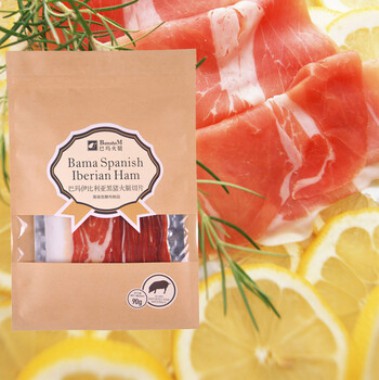
Where to buy? How to identify?
These days, there are many domestic purchasing channels. Large e-commerce platforms like Tmall and JD.com have official flagship stores or imported supermarkets. When choosing, be sure to check whether the product page has the “CIQ” label, which stands for China Inspection and Quarantine! This is the Spanish imported 5j ham official imported product ID. Also, look at brand history and user reviews. Brands like 5J and Joselito are top-tier, quality assured, though prices are… you know. Some niche brands with good reputations can also be tried, and their cost-effectiveness might be higher as with Spanish imported ham 5j.
Buying Spanish ham depends on your budget. From a few hundred yuan for Serrano slices to tens of thousands for premium Iberian whole legs, you can find the right one for yourself. The key is to do your homework and not waste money. I hope my sharing helps! Feel free to add suggestions below, or recommend your secret treasured stores and ways to enjoy it! Let’s happily “eat dirt” together!
