Brothers and sisters living in Spain, if you have just arrived here and have shopped at supermarkets and markets, you must have noticed how ham prices vary wildly—from tens to over a thousand euros—really confusing for newcomers like me. Especially the premium-looking black hoof ham, its price can be intimidating. What price range do you usually buy your ham in? Today, I want to dive into the topic of the price of eating ham in Spain to discuss what the “ceiling” level ham in Spain truly costs, hoping to provide a reference for newcomers like myself.
What Exactly Defines Top-Quality Ham?
First, let’s clarify: the “top-quality ham” we discuss today refers mainly to the 100% Iberian acorn-fed ham. The pigs for this ham must be 100% purebred Iberian black-hoof pigs, raised entirely on acorns and pasture during the fattening season. Only ham of this quality can receive the highest certification issued by the Spanish government—the black label, commonly known as “Pata Negra.”
Reference Market Prices for Top-Quality Ham
Price is everyone’s main concern. Based on recent information from the Royal Palace, specialty ham stores, and online sources, I have compiled a rough price list of Spanish ham whole leg prices. Of course, these are only references as prices vary across regions and vendors.
| Grade Classification | Famous Brand Examples | Whole Leg Price | Machine-Sliced Price |
|---|
| 100% Iberian Acorn Ham | 5J, Joselito | €600 - €1200+ | €20 - €40 |
| Iberian Acorn Ham | COVAP, Beher | €400 - €700 | €15 - €25 |
| Iberian Free-Range Grain-Fed Ham | Various brands | €250 - €450 | €10 - €18 |
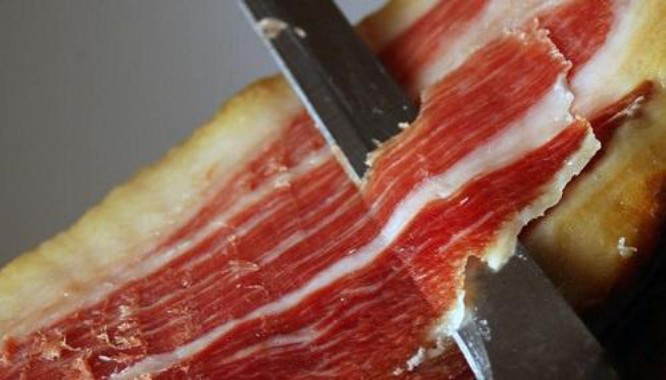
From the table, we can see that premium black-label ham easily costs several hundred to over a thousand euros per leg. For example, some limited editions from Joselito have no price ceiling and are considered collectible.
Key Factors Influencing Price
Why such a wide price range? Besides the grades mentioned, here are some key factors:
- Brand: 5J and Joselito are regarded as the “Hermès” and “Rolls-Royce” of ham, commanding a high brand premium. Some niche farms with equally excellent quality offer better value for money.
- Curing Time: Longer curing times result in richer flavors and more moisture loss, leading to lighter weight and higher unit price. A top-quality ham typically cures for at least 36 months, sometimes over 48 months.
- Purchase Format: Buying a whole bone-in leg is the most economical but requires handling. Boneless legs cost more. The priciest option is vacuum-packed hand-sliced ham, which includes the professional carver’s labor cost but is the most convenient to eat.
- Production Area: Spain recognizes four official production areas, such as Jabugo and Extremadura, each with distinct ham flavors and price differences.
“You get what you pay for” applies perfectly in the ham world. For the price of 5J ham in Spain, ordinary consumers don’t necessarily need to chase the most expensive products. Starting from green label or red label slices can be a good introduction. During holidays or family gatherings, buying a whole leg of good quality is a wonderful experience. After all, enjoying this “expensive” delicacy is itself a pleasure. Everyone, please share the priciest or best value ham brand you’ve purchased! Recommendations welcome!
