Just arrived in Spain recently, I’ve always been fascinated yet a bit intimidated by those ham shops with big legs hanging on the street, signposted Jamón Ibérico, Serrano… They look upscale but I was worried about being overcharged as a tourist. I finally couldn’t resist recently, visited a shop that seemed very authentic, chatted with the owner for a while, and at last got a clearer idea of the prices of this national treasure, so I compiled it for everyone’s reference!
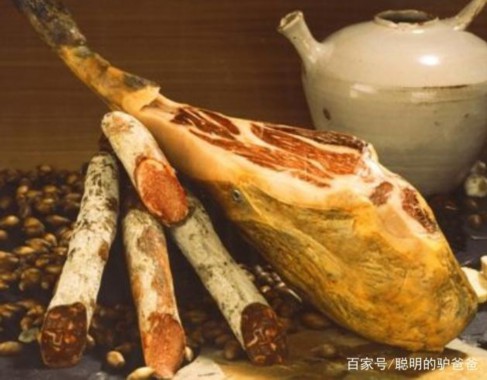
First, distinguish the two main categories: Serrano and Ibérico
Don’t confuse all hams as the same. The huge price difference mainly lies in the pig breed. Simply put:
Jamón Serrano: Comes from common white pigs, affordable and a staple on Spaniards’ daily tables. The taste is saltier, and the texture is relatively firmer.
Jamón Ibérico: Comes from the prized Iberian black-hoofed pigs, rich in marbling, with a strong aroma, considered the top quality ham. Depending on the rearing method and blood purity, Ibérico is further divided into several grades, with prices increasing accordingly.
Common Hand-Sliced Ham Price Reference
| Ham Type | Reference Price per 100g | Characteristics |
|---|
| Jamón Serrano Reserva | 3-5 euros | Everyday entry-level, suitable for sandwiches |
| Jamón Ibérico de Cebo | 7-10 euros | Entry-level Ibérico, farm-raised and fed with feed |
| Jamón Ibérico de Cebo de Campo | 10-15 euros | Mid-level, semi-free range, fed with feed and natural food |
| Jamón Ibérico de Bellota | 15-22 euros | Acorn-fed, rich flavor, good value for money |
| Jamón Ibérico 100% de Bellota | 22-35+ euros | Top-tier “Black Label”, purebred + acorn-fed, melts in your mouth |
This table shows prices for hand-sliced ham. Machine-sliced will be cheaper but with a slight loss in flavor and texture. When buying, don’t hesitate to confidently ask the owner: “¿Puedo probar un poco?” Usually, the owner will gladly cut a small piece for you to taste. Also, buying a whole leg is naturally more cost-effective, but for families, consumption is slow and preservation can be tricky. So most people still choose to eat freshly sliced, like detailed in this Eating Ham Prices in Spain.
You get what you pay for, perfectly true with ham. Personally, if you don’t eat Spanish ham by the leg prices every day, but want to indulge occasionally or entertain guests, Cebo de Campo or Bellota 50% offer the best value for money. Of course, this reflects my research about the 5J ham prices in Spain around Madrid. Prices may vary depending on city, shop, and even the cutter. Everyone is welcome to share their local ham prices and buying experiences to exchange insights!
