Having been in Spain for a while, every time I pass by a ham shop, I crave it terribly, with a voice in my mind saying: Get a whole one! Get a whole one! Finally, last week during a discount at Mercadona, I couldn’t resist and brought home a green label Iberian ham. The price is much more affordable compared to black and red labels, very suitable for beginners like me trying a whole leg for the first time. Today, I will share my “leg opening” first experience!
What exactly is a Green Label Ham?
I did a lot of homework before buying. Spanish Iberian hams are mainly classified by four color labels, which basically indicate the pig breed and feeding method. The official name for green label is Cebo de Campo, meaning the pigs are free-range on pasture during the final fattening period, eating cereal feed combined with natural pasture food. Although not as premium as the acorn-fed black and red labels, because they have enough space to roam, the meat quality and flavor surpass the fully confined white label. For Spanish green label ham daily consumption, the cost-performance is excellent!
| Label Color | Spanish Name | Main Breeding Method |
|---|
| Black | Bellota 100% Ibérico | Acorns, natural pasture |
| Red | Bellota Ibérico | Acorns, natural pasture |
| Green | Cebo de Campo Ibérico | Compound feed, natural pasture |
| White | Cebo Ibérico | Compound feed, confined |
Leg Opening: A Ritual and Skillful Task
After bringing home this seven to eight kilogram big guy, the first step for Spanish green and red label ham is fixing it on the ham stand. Honestly, leg opening is absolutely a skillful task and requires physical strength! I watched many YouTube videos beforehand. First, you have to cut where the fat is thickest. The professional ham knife is long and thin, and requires great care to use. Seeing the first slice of crimson ham I cut by myself, the sense of achievement is truly indescribable!
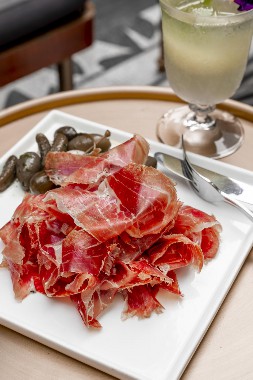
The first bite is simply stunning! It’s a completely different taste from vacuum-packed ham slices bought in supermarkets. Its oily texture is very balanced, melting in the mouth, with aromas of nuts and salty meat intertwining. The aftertaste of Spanish green label ham eating lingers long. I used to find ham fat very greasy, but the high-quality fat in Iberian ham is a different matter — sweet, mellow, and rich. You must eat it with some fat for the perfect taste. Cut a few slices and pair them with a glass of red wine or a piece of melon, and you’ll feel your overall quality of life elevated.
Finally, a reminder for those who want to try: when you buy a whole ham, pay attention to storage. Cover the cut surface with a large piece of the sliced fat, then wrap it with cling film to prevent drying and oxidation. It’s best to store at room temperature and consume it as soon as possible. I wonder what types of ham friends here usually buy? Any exclusive storage tips or pairing ideas to share? Let’s exchange together!
