For those new to Spain, does every trip to the supermarket’s ham section leave you puzzled? Looking at those hanging legs of ham with black, red, green, and white labels, they all seem quite similar but the prices differ hugely. Today, as an ordinary “foodie,” I’ll chat with you about the best value choice that perfectly balances quality and price—the green label ham!
What Is Green Label Ham?
Seeing the word “Ibérico” means it belongs to the noble Iberian black pig family. The green label, officially Jamón de Cebo de Campo Ibérico, requires pigs to have at least 50% Iberian black pig ancestry. The key lies in its feeding method: “Campo” means field, indicating the pigs are raised free-range in fields or pastures. They can roam freely, eat wild grasses, plant roots, and even some acorns, but their main diet is still grain and legume feed. So you can think of Spanish Green Label Ham as “semi-free range plus grain-fed” Iberian black pig ham.
Quick Comparison of Four Color Labels
To help you understand the green label’s position clearly, I made a simple table comparing the four official grades of Iberian ham for easy reference:
| Label Color | Full Name in Spanish | Pig Purity | Rearing & Food | Flavor Characteristics |
|---|
| Black | de Bellota 100% Ibérico | 100% Iberian | Acorns and natural pasture | Rich nutty aroma, melts in the mouth |
| Red | de Bellota Ibérico | 50%/75% Iberian | Acorns and natural pasture | Nutty aroma, rich taste |
| Green | de Cebo de Campo Ibérico | 50%/75%/100% Iberian | Pasture-raised + grain feed | Balanced meaty and light nutty flavor, great value |
| White | de Cebo Ibérico | 50%/75%/100% Iberian | Confined + grain feed | Pure meaty taste, most affordable |
So is Spanish Green Label Ham and Red Label Ham really worth buying? My answer is: absolutely yes! For everyday family consumption, black and red labels are quite expensive—occasionally trying them is fine, but eating them daily would hurt your wallet. As for white label, although cheap, the fully confined pigs lack some flavor. The green label sits perfectly in the middle: it has excellent Iberian pig genetics and fat marbling, the free-range rearing firm up the meat texture, and some natural food intake adds a touch of flavor, yet it costs much less than Bellota grades. It’s a perfect compromise between budget and taste.
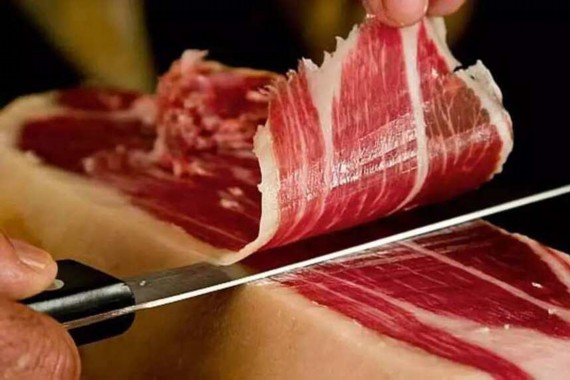
Finally, how to eat it? Green label ham is also rich in fat. It’s best sliced fresh and eaten immediately, as room temperature brings out its aroma best. On a weekend evening, slice a small plate and pair it with crispy [Pan con Tomate] and a glass of fruity Tempranillo red wine—it’s truly a culinary delight. In summary, if you want to get into the world of Iberian ham without breaking the bank, Eating Spanish Green Label Ham is definitely your best choice. What label do you usually buy? Any brand recommendations? Feel free to leave comments below!
