Hello forum friends! After living in Spain for a while, every time I visit the supermarket or market and see those rows of hanging Jamón, my mouth starts watering. I’ve always been curious how this delicacy is actually made, so I did some research and found the process so complex it’s almost unbelievable! Making it at home is practically impossible, but by understanding the Spanish cured ham process, your next ham tasting will definitely feel different!
Step One: Selecting the Leg, Trimming, and Curing
Everything begins with picking a good pig! The well-known Iberian black pig and Serrano white pig are two main raw materials. After obtaining a fresh hind leg, masters carefully trim it by removing excess fat and skin, then thoroughly cover the entire ham with a large amount of Mediterranean sea salt. This step dehydrates and preserves the ham, laying the foundation for its flavor.
Curing and “Resting”
The salting time is very precise, generally calculated by weight, approximately one day per kilogram. After curing, the salt granules on the leg are washed off, then it enters a low-temperature high-humidity room for one to two months of “resting.” This phase allows the salt to penetrate evenly throughout the ham, rather than staying only on the surface.
Step Three: Drying and Aging
This is the longest and most crucial stage. The ham is hung in a drying room called the Secadero for about six to nine months. The temperature and humidity here simulate natural seasonal changes, from winter to spring and then summer. During this process, the ham “sweats” out excess fat, muscle fibers change, and flavor compounds slowly form.
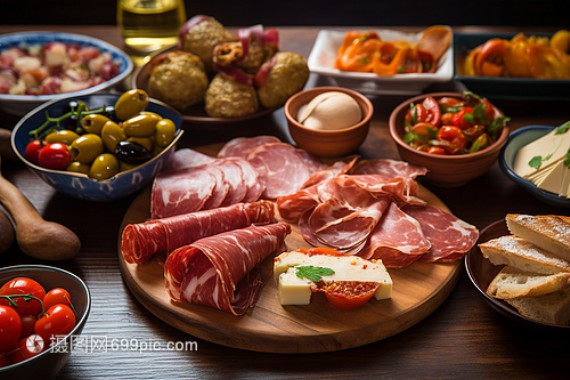
Step Four: Cellar Aging
The ham is then transferred to a Bodega for final aging. This Spanish cured ham eating environment is kept at a constant temperature and humidity, very stable. The ham continues to quietly ferment and breathe here, aging anywhere from one to three or four years. It is this magic of time that nurtures Jamón’s incomparable, complex nutty aroma and smooth texture.
Here’s a rough reference for curing times:
| Ham Weight | Curing Time |
|---|
| 10 | 10-12 |
| 12 | 12-14 |
| 14+ | 14-16 |
So you see, a top-quality Iberian ham, from piglet to table, can take five to six years! Each bite is a masterpiece of craftsmanship and time. Which brand or part of the ham do you usually prefer? Let’s have a chat!
