Hello neighbors! Recently, I hosted a party at home and splurged by buying a whole ham. This sparked a heated debate with my Spanish friend about the exact “age” of the ham. He insisted my ham was too “young” and lacked flavor. This piqued my curiosity, so I decided to investigate deeply: what exactly are the rules about the drying time of Spanish ham?
First, it’s important to clarify that the two main types of Spanish ham—Jamón Serrano and Jamón Ibérico—have drastically different drying durations. Simply put, Serrano comes from white pigs, which are most commonly found in supermarkets and offer great value for money; meanwhile, Ibérico is made from black-hoofed pigs, especially those fed on acorns, making it the “Rolls Royce” of hams with much longer drying times.
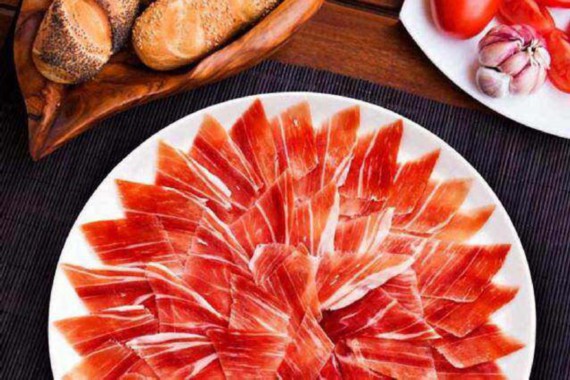
Jamón Serrano
The aging time of Jamón Serrano is relatively short but also classified strictly by grade. Based on drying time, it divides mainly into three levels. I’ve made a simple table to help you understand:
| Grade | Minimum Drying Time | Characteristics |
|---|
| Bodega | 9-12 months | Basic entry-level |
| Reserva | 12-15 months | More intense flavor |
| Gran Reserva | Over 15 months | Best texture & aroma |
Jamón Ibérico
Jamón Ibérico requires longer aging due to its unique breed and high oleic acid content, allowing flavor compounds to develop slowly. Its time standards are much stricter, generally starting from 24 months. Top-grade 100% Iberian acorn-fed hams commonly dry for 36, 48 months, or even longer! The longer the aging, the richer and more complex the oily texture and nutty aroma become—of course, the price reflects this… you know. My wallet is crying
So when buying ham in the future, remember not to judge it by price alone; check the label carefully. Genuine hams will display information about their breed, grade, and origin. For example, seeing “Gran Reserva” tells you that this Serrano ham has been dried for at least 15 months; spotting a black label means it’s a top-tier 100% Iberian acorn-fed ham, with a guaranteed lengthy drying time as noted in Spanish Cured Ham Eating guidelines.
Drying time is the core factor determining the flavor, texture, and price of ham. From 9 months for Serrano to over 48 months for Ibérico, every bite is a masterpiece of time. What’s the longest aged ham you’ve tasted in Spain? Do you think it was worth the price? Feel free to share your thoughts below!
