For friends newly arrived in Spain, have you ever felt as confused as I was when standing in the supermarket’s ham section? Facing row after row of glossy hams, prices ranging from tens to hundreds of euros, you might wonder: what really makes these different? Later, a local connoisseur friend enlightened me, saying, the first step for pros picking ham isn’t looking but smelling! The aroma is the soul of ham.
Today, let’s talk about what a top-quality Spanish ham smells like.
The Soul of Ham: A Symphony of Nuts and Oak
We need to be clear: this mainly refers to Iberian ham, especially the highest grade from acorn-fed black pigs. When you lean in close to a freshly sliced plate of Bellota ham, the first thing that captures your nose is definitely a rich, warm nutty aroma. This scent is very unique, somewhat like a blend of roasted almonds and hazelnuts—full-bodied but not overwhelming. That’s because these black pigs are free-range in oak forests during their final months, feeding heavily on acorns. The fat and flavor compounds of acorns penetrate every cell of the pork, which through years of curing and drying transform into this enchanting aroma.
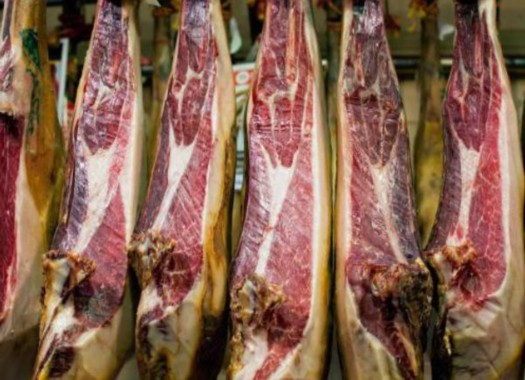
Complex Layers from Years of Dry Aging
The aroma of a good ham is never simple. Besides the Spanish ham flavor nutty scent as the main character, with careful smelling, you can distinguish even more complex layers of good Spanish ham flavors. For example, the aged notes brought by long cellar maturation, reminiscent of fine aged Pu’er tea or vintage red wine, with hints of wood, mushrooms, and even leather—these are the flavors accumulated over time. Additionally, there is a perfectly balanced salty aroma and the fresh fragrance produced by fermentation of the meat itself. These aromas harmoniously weave together, making one’s mouth water and feel delightfully sinful happy!
Pitfall Guide: Which Smells to Avoid?
Smelling ham not only helps you find the good but also avoid the bad. If a ham smells like any of the following, be cautious:
- Pungent sour smell: This may indicate contamination or over-fermentation during production, signaling poor quality.
- Rancid smell: This is the odor of oxidized, spoiled fat. While ham fat melts at room temperature releasing a rich scent, this is fundamentally different from rancidity.
- Overpowering saltiness: If good Spanish ham flavors smell like just pure saltiness, it likely means too much salt was used, overshadowing the meat’s true flavor—probably not a quality product.
To make it easier to remember, here is a simple comparison table:
| Ham Grade | Main Aroma Characteristics |
|---|
| Jamón Ibérico de Bellota | Intense acorn and nut aroma, rich layers, aged notes |
| Jamón Ibérico de Cebo de Campo | Complex aroma with grain and herbal notes, pure meat scent |
| Jamón Serrano | Simpler, straightforward salty and cured meat aroma |
Good Spanish ham aromas are “complex” and “pleasant.” Next time you visit the market, don’t hesitate to lean in and smell it, and use your nose to experience the charm of ham! Personal experience, for reference only! Have you noticed any special aromas? Or do you have unique tips for selecting ham? Feel free to share below!
