Recently, craving a snack again, I went to the supermarket and grabbed a box of sliced ham. Every time I stand in front of the ham counter, looking at the complex black label, red label, green label, and white label, do you feel a bit overwhelmed like me? Today, I want to talk about my personal favorite, the red label ham, definitely the cost-effective king for our daily cravings!
What Exactly Is Red Label Ham?
Simply put, the grades of Spanish Iberian ham are based on the pig’s breed purity, rearing method, and diet. Red label, called ‘Cebo de Campo’ in Spanish, means the pig is at least 50% Iberian black hoof breed and is semi-free-range raised in the fields. They not only eat grain feed but can also freely roam in mountain forests, eating wild grass, wildflowers, and even some acorns. Therefore, compared to the fully grain-fed and confined white label, its flavor and marbling are a level above.
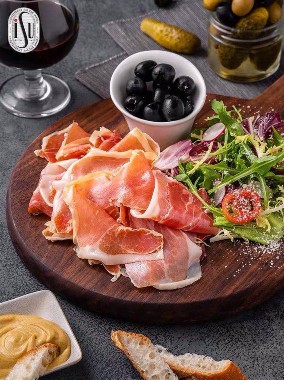
Why do I particularly recommend the red label? It’s simple: tastes great and is affordable! The black label is certainly the top for Spanish ham red label eating methods, but its price is also “top tier” — eating it daily can be a luxury. The white label is cheap but always feels like it lacks something in flavor and tends to be dry and tough. Red label hits the sweet spot—offering the distinctive aroma and beautiful marbling of Iberian black pigs at a relatively user-friendly price, so your wallet won’t bleed too much. Whether improving your daily meals or hosting friends, it’s very presentable.
Tips for Choosing
When buying red label ham, the production area is very important. Spain has several famous designated areas, each with its own flavor profile. I’ve put together a Spanish ham red and green label table for your reference:
| Designated Area | Flavor Characteristics |
|---|
| Guijuelo | Slightly sweet taste, mellow fat aroma, not so Spanish ham red label Spanish language salty |
| Jabugo | Rich flavor, prominent nut aroma, long aftertaste |
| Dehesa de Extremadura | Full-bodied taste, complex aroma, largest production area |
Regarding brands, companies like COVAP, Beher, and Arturo Sánchez all have excellent red label products. You can find them at places like the British Court or larger supermarkets such as Carrefour or Mercadona. When buying, check the label carefully; the red plastic tag will clearly state ‘Cebo de Campo’.
Lastly, how to eat it? The best way is to eat it directly! Make sure the ham returns to room temperature so the fat slightly melts and the aroma fully releases. Pair it with a slice of toasted bread topped with fresh tomato, and enjoy with a glass of Tempranillo red wine—perfect! I hope my sharing is helpful! Which brand or production area of red label ham do you prefer? Feel free to leave comments below to share your thoughts!
