When I first arrived in Spain, I always felt that having a ham stand at home paired with a few bottles of Rioja wine was the ultimate ritual of life’s ceremony experience. But after a while, problems appeared: a whole jamón can’t be finished at once, and no matter where I put it, it felt wrong—worried about oil running in summer and drying out in winter; as for the wine, sometimes I’d forget to chill it or the temperature was off, which greatly affected the taste. Recently, after moving house, I finally made up my mind and bought a combined ham and wine cabinet, instantly upgrading my quality of life!
Many might think pairing Spanish ham and wine can be solved simply by a fridge, but actually, that’s not the case. For a whole piece of Iberian ham, the humidity inside a fridge is too high and can cause mold. In addition, Spanish ham with wine low temperatures cause the fat to solidify, seriously impacting flavor and texture. Regarding wine paired with Spanish ham, especially for quality Tempranillo or Ribera del Duero wines, too low a fridge temperature or room temperature that’s too high means only constant temperature storage can keep them at their best. A professional ham and wine cabinet is designed specifically to solve these two problems simultaneously.
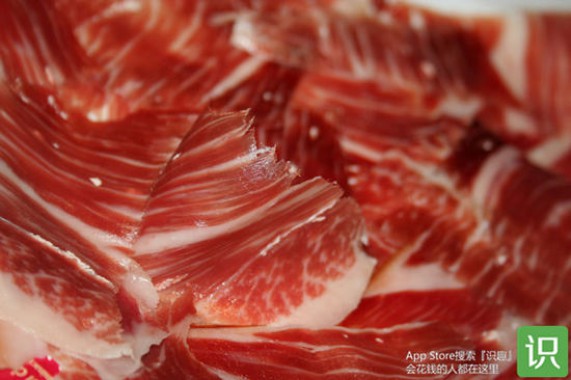
Key Points to Know Before Buying
Before purchasing this kind of “magic device,” there are several important criteria to carefully check to avoid pitfalls:
Temperature Zones and Capacity
This is the core feature. It’s best to choose a dual-temperature zone model. One zone can be set between 14-16°C for storing red wine, while the other can be set between 5-10°C for white wine, Cava, or other food requiring refrigeration. The capacity should be based on your household consumption; for an average family, a cabinet accommodating 12-18 bottles plus a space for ham is usually enough.
Ham Storage Design
A good ham cabinet will have a dedicated storage space for an entire ham, typically a drawer with a tray at the bottom or a hanging space. The key is the seal ventilation design; good ventilation prevents moisture and mold while allowing continuous drying and maturation. Some high-end models even offer humidity control.
Below is a comparison of some common brands on the market I gathered during my research for your reference, prices may vary:
| Brand Reference | Main Features | Approximate Price |
|---|
| Cecotec | High cost-performance, comprehensive functions, a popular Spanish brand | 200 - 400 |
| Cavanova | Strong design focus, specialized in wine cabinets, precise temperature control | 300 - 600 |
| La Sommelière | Established French brand, reliable quality, extensive product line | 350 - 800+ |
Investing in a ham and wine cabinet is definitely worth it. It’s not just an appliance but the centerpiece of a home tapas corner. Whenever friends come over, taking out perfectly tempered wine and slicing some well-matured ham brings a satisfaction that a regular fridge can’t provide. Lastly, remember to check the energy efficiency rating and noise level when purchasing, as it will be running long-term. What solutions do you use at home to store ham and wine? Any better recommendations? Let’s discuss together!
