After living in Spain for a while, I finally couldn’t resist carrying home a whole leg of ham! Looking at this glossy, shiny leg gave me a huge sense of accomplishment, but the questions quickly followed… where exactly do you start? I believe many friends share the same impulse and confusion, so today I’m making a post to share my experience and pitfalls from selection to the first cut. Experienced folks are welcome to add their tips!
Selection: Ibérico or Serrano?
In supermarkets, hams come in all varieties. The two most common types of whole legs of Spanish ham are Serrano and Ibérico. Simply put, Serrano comes from white pigs, is affordable, and suitable for everyday meals; Ibérico comes from Spain’s native black-hoofed pigs, has more marbling, richer flavor, and is pricier. For beginners, you might want to start with a good quality Serrano or a Cebo-grade Ibérico. To illustrate, here is a simple comparison table:
| Feature | Jamón Serrano | Jamón Ibérico |
|---|
| Pig Breed | Common white pig | Ibérico black-hoof pig |
| Feeding Method | Mainly grain feed | Grain or acorns, often free-range |
| Curing Time | Usually 12-15 months | Usually 24-48 months |
| Price Range | Relatively affordable | Higher priced |
| Taste Profile | Salty, leaner meat | Smooth, rich, with aftertaste |
Preparation and Tools
Don’t think buying the leg is the end of it! A ham stand and a ham knife are essential! Don’t even try to cut it with a kitchen knife—it’s not only dangerous but also impossible to achieve the ultra-thin slices of recommended whole Spanish hams. I bought a basic set online, which is perfectly sufficient. The stand securely fixes the ham, and the long, thin blade knife allows slicing perfect ham slices.
How to Store and Enjoy
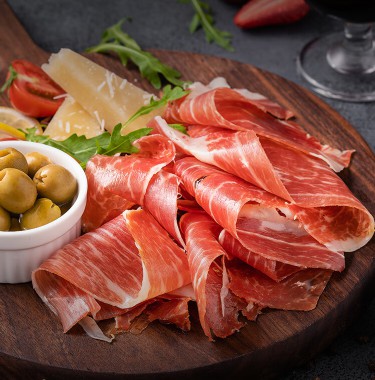
Storage after starting to slice is key. Remember, do not refrigerate! It’s best to hang at room temperature or keep it on the ham stand. After each slicing session, cover the exposed cut area with the first thick slice of fat you cut off, then cover with cling film or a clean cotton cloth to prevent drying and oxidation. Experts reportedly even spread the ham’s own fat on the cut surface; the complete guide to whole Spanish ham recommends this for better moisture retention. Don’t cut too much at once; slicing fresh every time maximizes flavor!
That’s a little learning from a beginner like me. From completely clueless to now slicing a few pieces after work daily, paired with a glass of red wine, life feels elevated! Do you have any unique tips in selecting or slicing ham? Or funny stories about mistakes? Feel free to join the discussion in the comments!
