For friends just arriving in Spain, is it true that once you enter a supermarket or ham shop, seeing those rows of spectacular hams hanging there, then glance at the best way to enjoy Spanish ham price tags — ranging from tens of euros to over a thousand— you suddenly suffer from choice overload? Don’t worry, today I’ll talk about Spanish ham prices from the perspective of an everyday “foodie,” hoping to help you avoid detours and buy the ham you desire.
The Two Main Categories of Ham: Serrano vs Ibérico
First, you should know that Spanish ham mainly divides into two types. The affordable and generous option is Serrano ham, made from white pigs, with a shorter aging period, firmer meat texture, and a salty-savoury flavor; it’s a regular on Spanish dining tables. The famous and pricey counterpart is Ibérico ham, made from the precious Iberian black-foot pigs, with different grades based on the pig’s purebred lineage and feeding methods. This classification mainly drives the great price differences.
Price Tiers of Ibérico Ham
The quality of Ibérico ham can be easily identified by the color of the plastic tag hanging on the leg. From highest to lowest are black, red, green, and white. The prices follow the same order. I’ve compiled an approximate price table for your reference:
| Tag Color | Grade | Common Whole Leg Price Range |
|---|
| Black | 100% Iberian pig + acorn fed | 400 - 800+ |
| Red | 50%/75% Iberian pig + acorn fed | 300 - 600 |
| Green | 50%/75% Iberian pig + grain and pasture fed | 200 - 400 |
| White | 50%/75% Iberian pig + grain fed | 150 - 300 |
You get what you pay for — the black label “Pata Negra” is undoubtedly a top-tier indulgence, but green and white labels serve as excellent entry-level options for Spanish ham quality with great value for money.
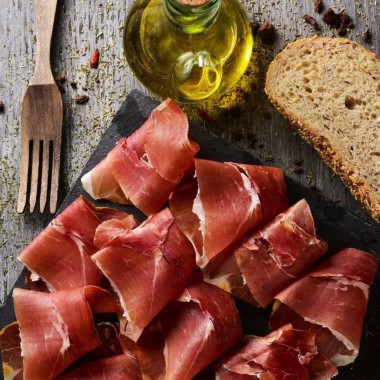
So where is the best place to buy? Avoid street corner shops, as quality isn’t guaranteed. Large supermarket chains like Mercadona, Carrefour, and El Corte Inglés are all good choices with clearly marked prices and fair deals. Especially El Corte Inglés; though a bit pricier, its quality and selection are excellent. If you want to buy a whole leg, visiting a specialized ham shop offers a better experience, and you can have the expert slice and vacuum-pack it for you. Always ask about the curing time when buying; the longer it’s cured, the richer the flavor!
Before buying ham, determine your budget and needs. Is it a daily treat paired with melon or bread, or a showpiece for important festivals? If it’s the former, a Serrano or white/green label Ibérico ham within one to two hundred euros works well; if the latter, then bite the bullet and choose red or black label — they definitely won’t disappoint. I hope this information is useful! What price range of ham do you usually buy? Any mishaps or lucky finds to share? Feel free to leave comments below!
