As my return home approaches, I always struggle with what souvenirs to bring back. The Spanish ham that family and friends specifically request is arguably Spain’s top specialty. But regarding Spanish ham brought home, this product is essentially raw meat. Can it actually be brought home? I recently put it to the test myself; today I want to share a post about my personal experience, hoping it helps others facing the same doubts.
What do customs regulations really say?
We need to be clear: according to official regulations, any unprocessed or insufficiently processed meat products are strictly forbidden to bring in. This naturally includes Spanish ham. But the interesting part is that there’s a certain “grey area.” The key lies with “commercial, retail-packaged vacuum-sealed ham slices.” This kind of ham, produced industrially under standardized processes and sealed packaging, is often not strictly scrutinized by customs. Simply put, whether customs checks it sometimes depends on luck and the form in which you carry it. Disclaimer: The following is purely personal experience and does not guarantee 100% success; please assess risks yourself!
How to choose and pack?
To increase your success chances, choosing and packing are crucial. Here are my suggestions:
- Buy from reputable supermarkets or specialty stores: such as El Corte Inglés, Carrefour, or Mercadona, as well as Spanish ham brought back duty-free shops at the airport. These sellers offer major brands with very proper packaging including detailed ingredient, origin, and production date information, clearly indicating “commercial goods” rather than local specialty products.
- Choose vacuum packaging: make sure to buy ham that is machine-pressed tightly in vacuum packaging with no damage or air leaks. Avoid ham cut at markets wrapped in paper or whole legs with bones, as those are more likely to be confiscated.
- Packing tips: always put it in checked luggage! Do not carry it as hand luggage. When packing, place the ham slices in the middle of your suitcase and wrap them with clothes above and below. This provides cushioning and makes them less conspicuous. That’s exactly how I did it.
My customs experience
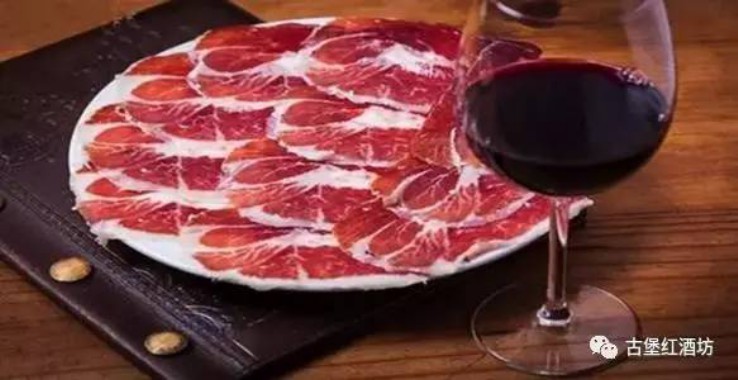
This time, I sent Spanish ham back home flying from Madrid to Shanghai Pudong. I bought two packs of 100g Iberian ham slices at El Corte Inglés — like the ones shown in the above picture. Packed them among clothes in my suitcase and checked the luggage as usual. At Pudong Airport, I went through the no-declaration channel following the crowd, feeling a bit nervous, but everything went smoothly. The luggage passed the X-ray scanner with no issues and came out directly. I believe as long as you don’t bring too many packs—such as a dozen or twenty—they generally won’t bother you. Small quantities for personal use are key.
To make this clearer, I summarized a small table for reference:
| Key Points | Notes |
|---|
| Buy from reputable brands with commercial vacuum packaging | Avoid whole legs or bulk cut ham at markets |
| Place deeply in checked luggage | Do not put in carry-on baggage |
| Bring small amounts for personal use | Avoid bringing too many to prevent suspicion |
| Confidently use no-declaration channel | Avoid nervousness or suspicious behavior |
Bringing vacuum-packed ham home carries both risks and opportunities. As long as the product is legitimate, well-packaged, and in small quantity, the success rate is fairly high. I wish everyone smooth success in bringing the delicious flavors of Spain back home! If checked, just firmly claim it’s “Spanish-style cured meat”. Other friends with successful or failed experiences are welcome to share below!
