Every time I travel home, relatives and friends specifically ask for the “legendary” Spanish ham, but buying it is always a headache. Prices range from tens to over a thousand euros, and the variety of labels can be overwhelming. Recently, I sent two legs home and took the chance to整理 the Spanish ham bringing home research on Spanish ham prices, hoping to offer fellow readers a clear reference to avoid detours and buy with confidence!
Types of Ham and Price Ranges
First, it’s important to understand that Spanish ham mainly comes in two categories: Serrano ham and Iberian ham. The former comes from common white pigs, while the latter is from the prized black Iberian pig. Iberian ham is further divided into four grades based on the pig’s feeding method and bloodline purity, with vastly different prices. Simply put, Bellota 100% Ibérico is the highest grade, commonly known as acorn-fed ham.
| Ham Type | Grade Label | Reference Price |
|---|
| Serrano Ham | Consorcio-Serrano | €60 - €150 |
| Iberian Ham | Cebo | €150 - €250 |
| Iberian Ham | Cebo de Campo | €250 - €400 |
| Iberian Ham | Bellota | €500 - €1000+ |
Where to Buy Most Cost-Effectively?
The purchasing channel directly affects the price. The most convenient places are large chain supermarkets like Mercadona, Carrefour, and El Corte Inglés. Their advantages include transparent pricing and frequent discounts, suitable for purchasing mid- to low-end Serrano or Cebo grade hams. If you want high-quality Bellota ham, it is recommended to visit specialized ham shops, where you’ll find more variety and staff who can offer expert advice on bringing Spanish ham home. As for airports…unless absolutely necessary, avoid buying at the airport; prices there are usually 1.5 to 2 times higher than in the city, which is a big loss!
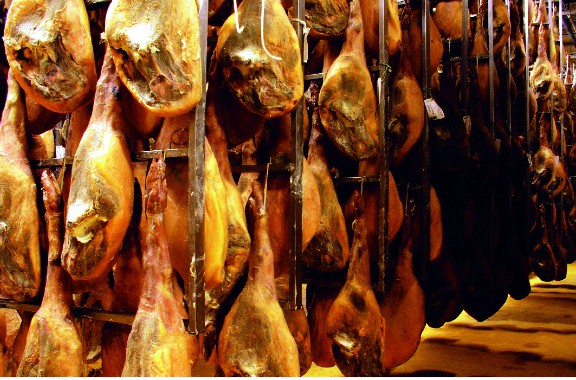
Don’t Forget These “Hidden” Costs
Paying for the ham is only the first step—getting it safely home involves additional expenses. First is packaging: a whole bone-in ham is large, so it’s better to ask the shop to vacuum pack it, which is more hygienic and keeps it fresh, usually at a small fee. Then there’s checked luggage; a whole leg weighs about 7-8 kg and will take up a significant portion of your baggage allowance. Lastly and most importantly: customs. In theory, whole raw meat products are not allowed to be brought in personally. However, many people simply pack the ham in their luggage and check it in, with customs performing spot checks. If they find it, bringing Spanish ham home by mail results in confiscation or payment of taxes. So bringing ham home is a “risky endeavor,” and you should be mentally prepared. Pre-sliced small packages carry less risk but don’t offer as good a value as whole legs.
Bringing home a mid-to-high grade Iberian ham usually requires a total budget of around €300-400, including purchase and transport. It’s definitely an impressive gift for others. Of course, if you have a bigger budget, going for the top-tier 5J or Joselito black label is the ultimate gift for the most important people! Have you ever brought ham home? How much did you spend? Did you run into any pitfalls? Feel free to share your experiences in the comments below!
