When I first arrived in Spain, my impression of ham was limited to the salty thin slices in supermarket sandwiches. It wasn’t until a gathering at a friend’s house, where I saw him carefully slicing a glossy, marble-patterned ham from a ham rack, that I truly experienced what it means to be amazed!
The melt-in-your-mouth fatty aroma completely changed my understanding of ham.
In Spain, ham is definitely a national soul food. It’s more than just food; it’s a symbol of culture and social connection. The two most common types are Jamón Serrano and Jamón Ibérico. Just by looking at the pictures, you know these are true works of art!
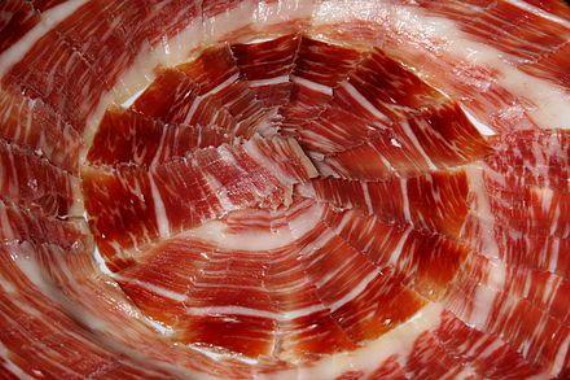
If Spanish ham taste says Serrano is an everyday staple, then Ibérico is definitely the “Rolls-Royce” of hams. Especially the highest grade Jamón Ibérico de Bellota, made from Spain’s unique black-hoofed pigs. These pigs are free-range in oak forests during their final fattening stage, feeding on acorns. This gives the ham a unique nutty aroma, with fat marbled throughout the muscle fibers, resulting in a rich, sweet flavor and unforgettable aftertaste. Though pricey, it’s absolutely worth the investment!
To give everyone a more intuitive understanding of Spanish ham taste, I made a simple comparison table so you won’t be confused next time you shop or order at a restaurant:
| Feature | Jamón Serrano | Jamón Ibérico |
|---|
| Pig breed | Common white pig | Ibérico black-hoofed pig |
| Feeding | Mainly grains and fodder | Grains or natural acorns |
| Curing time | Usually 7-16 months | Usually 24-48 months |
| Flavor | Salty taste, firmer texture | More complex flavor, oily, with nutty notes |
| Price | Affordable | Expensive A rewarding treat :smile: |
Personal Tasting Tips
How to eat it authentically?
For those new to Spanish ham taste categories, my suggestion is to go directly to a market or a ham specialty store and have the shop owner slice a small portion for you to ensure freshness. For high-quality ham, eating it plain is the best option, possibly accompanied by a simple slice of bread or a small glass of red wine. Avoid cooking it—what a waste! Eating it with melon in summer is also a must-try.
Which type of ham do you usually prefer? Any special pairing recommendations? Let’s chat!
