Everyone who just arrived in Spain probably experienced the confusion of facing a whole row of hams in the supermarket, right? Seeing huge price differences and all of them called Jamón, it’s really hard to know where to start. When I first arrived, I made mistakes like buying overly salty and tough hams, or splurging only to feel “Is that it?” After some research and hands-on experience, today I’m here to share how to judge the quality of Spanish ham using your eyes and nose, so every euro you spend is worth it!
1. Seeing is Believing: Checking Color and Fat
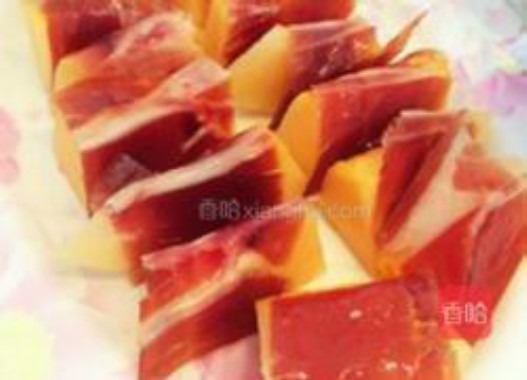
Don’t be shy, take a closer look! A good Iberian ham should have a deep ruby red color in the lean meat, and the Spanish ham texture should be evenly distributed. If it looks pale or too light, the grade and flavor might be average. More importantly, look at the fat! High-quality Iberian ham has creamy white or slightly pale yellow fat that feels smooth to the touch and even slightly melts at body temperature. This type of fat is rich in unsaturated fatty acids, what we call “good fat,” giving a sweet and mellow flavor that melts in your mouth. On the other hand, if the Spanish ham and ham texture fat looks “dead” and hard, it will likely taste tough.
2. Aroma Reveals the Soul
Good ham’s aroma is unmistakable. Top-level acorn-fed Iberian ham carries a very unique and complex nutty aroma, blended with aged meaty scent, very rich and mouthwatering. In contrast, regular Serrano ham or lower-grade Iberian hams have a simpler aroma, mainly salty and meaty. So when buying sliced ham, open the packaging and sniff first—it’s not a foolproof method but helps you eliminate some “so-so” options.
3. Ultimate Guide: Understanding the Colorful Labels
If Spanish ham texture classification by sight and smell still seems a bit mystical, understanding Iberian ham’s official colorful labels is the most scientific and straightforward method. These standards are set by the Spanish government to regulate the market. When buying a whole leg or properly packaged sliced ham, recognizing these labels guarantees quality. Simply remember the four grades: black, red, green, and white.
| Label Color | Spanish Name | Meaning | Texture Characteristics |
|---|
| Black | de Bellota 100% Ibérico | 100% purebred Iberian black pig, acorn forest free-range | Top tier, most complex aroma, rich and smooth |
| Red | de Bellota Ibérico | 50% or 75% Iberian pig lineage, acorn forest free-range | Excellent quality, best value |
| Green | de Cebo de Campo Ibérico | Over 50% Iberian pig lineage, free-range + grain feed | Good texture, with outdoor flavor notes |
| White | de Cebo Ibérico | Over 50% Iberian pig lineage, farm-raised with grain feed | Entry-level, budget friendly |
Selecting Spanish ham is not a simple “more expensive equals better” logic, but a comprehensive judgment process. For typical consumers, the most practical approach is to first check the label grade, then pick the best-looking ham within the same grade by observing color and fat. I hope these small tips help you! Do you have any exclusive ham-picking tips? Feel free to share and discuss below!
