Before coming to Spain, I had long heard the legend of raw-eaten ham, but when I really saw those slices of red and white marbled ham, thin as cicada wings, I was a little hesitant. Could this really be eaten raw? Would it be too salty or have any strange gamey smell? Last week, I went to a Tapas Bar with a friend, he ordered a plate, and after much persuasion, I doubted yet decided to pick up a slice and put it in my mouth…
My goodness! All my previous worries were unnecessary. That was definitely not the “raw meat” texture I imagined. The fat in the ham slowly melted at the temperature of my tongue, instantly releasing a very smooth, rich nutty aroma. Its saltiness was just right, stimulating the appetite without being overwhelming, and after carefully chewing, there was even a faint sweet aftertaste lingering in my mouth. The texture was incredibly rich, complex yet harmonious, simply a feast for the taste buds!
After that, I was completely hooked and immediately did some research, discovering just how deep the world of ham runs. The Spanish ham we usually see in supermarkets or restaurants actually comes in many types, with widely varying textures and prices. For beginners like us curious about Spanish ham texture, it’s essential to understand the basic classifications of Spanish ham texture.
Beginner’s Guide to Ham
Simply put, the most common classification is the difference between Iberian ham and Serrano ham, illustrated clearly in one chart:
| Feature | Iberian Ham | Serrano Ham |
|---|
| Pig breed | Iberian black hoof pig | Common white pig breeds |
| Feeding | Acorns, grains, natural free-range pasture | Mainly grain feed |
| Fat | Evenly distributed like marbling, melts in the mouth | Relatively less, texture is leaner and tougher |
| Flavor | Rich, with lingering sweetness and persistent nutty aroma | Salty and straightforward, flavor is simpler |
The highest grade Iberian acorn ham is said to have the finest flavor. Just look at this perfect fat marbling, it’s practically a work of art!
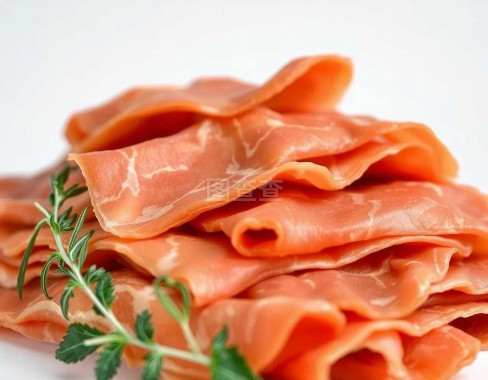
I also learned a handy tip: never eat good ham straight from the fridge. It’s best to let it rest at room temperature for 10-20 minutes. The Spanish ham texture classification allows the fat to slightly “awaken,” enabling the aroma to fully develop. Pair it with a simple slice of toasted bread or a piece of sweet melon, and it balances the saltiness perfectly, maximizing the tasting experience.
I’m now completely addicted; it feels like a new world of flavors has opened. What types of ham do you usually enjoy? Are there any recommended ham shops in Madrid or Barcelona, or any supermarket brands with great value for money? Feel free to leave comments and share your tips!
