Friends new to Spain probably had the same reaction as me—the first time entering a supermarket’s ham section was overwhelming. A whole aisle of hams priced anywhere from tens to hundreds of euros, labeled with terms like Ibérico, Serrano, Bellota, Cebo… What do all these mean? After making some mistakes, today I’ll talk about the key differences in Spanish ham so your next supermarket visit will be confident!
Simply put, Spanish ham mainly falls into two categories: Jamón Ibérico and Jamón Serrano. Their biggest difference comes from two factors: the pig breed and the rearing method.
The Origin: Pig Breeds
Breed is decisive. Iberian ham comes from Spain’s unique “Iberian black pig,” characterized by its dark coat and black hooves. Most importantly, its unique genetics allow fat to infiltrate muscle tissue, creating beautiful marbling. This is the secret behind the top-tier Iberian ham’smelt-in-your-mouth texture.
In contrast, Serrano ham comes from common white pigs, such as Duroc or Yorkshire breeds. Their fat is mostly subcutaneous, with less intramuscular fat, so the texture tends to be leaner, firmer, and the flavor more straightforward.
Unlocking Flavor: Rearing and Curing
If the Spanish ham texture considers breed the “hardware,” then the rearing method and curing time are the “software” that together determine the final flavor. Especially within Iberian ham, the grading is very strict:
- Bellota: The highest grade! The pigs roam freely in oak forests during their last months, eating only acorns and grass. This yields scarce production and an intensely rich flavor with nutty aromas.
- Cebo de Campo: Also free-range but fed a mixed diet of feed and wild plants. It offers a good balance of flavor and value.
- Cebo: Fully farmed, fed solely on grains and legumes. This is the Spanish ham texture entry-level Iberian ham.
Serrano ham is mainly grain-fed, with a generally shorter curing period than Ibérico. Overall, Ibérico offers a more complex, layered flavor, while Serrano leans towards a pure savory saltiness.
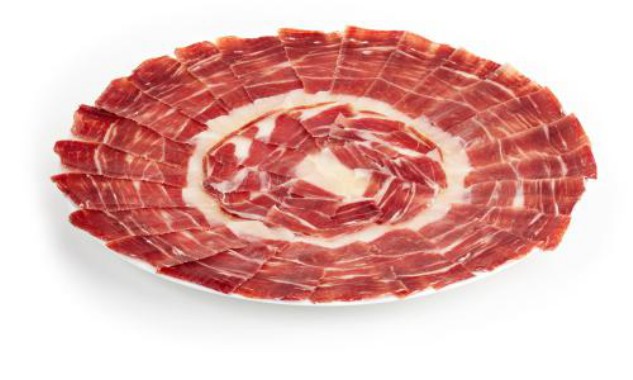
To give you a clearer view, here’s a simple comparison table:
| Characteristic | Jamón Ibérico | Jamón Serrano |
|---|
| Pig Breed | Iberian black pig | Common white pig |
| Rearing | Acorns and pasture | Grain feed |
| Fat | Moist, pale yellow, melt-in-your-mouth | Whiter, firmer texture |
| Texture | Smooth, tender, rich in fat aroma | Firmer, leaner, salty and chewy |
| Flavor | Complex, nutty, herbal aromas | Simple, direct, salty |
| Price | Out of reach Expensive | Affordable |
There’s no absolute better or worse, only personal taste and budget. If you seek a premium flavor experience and can afford it, top-tier 100% Ibérico de Bellota is a lifelong treat. If the Spanish ham texture classification is mainly for casual pairing with wine, sandwiches, or initial tasting, a good Serrano or Ibérico de Cebo is already delicious.
Which ham do you prefer? Feel free to share your favorites and recommended brands below!
