Hello neighbors! The whole ham I bought a while ago has finally been mostly “finished” by my family and me, and now only a large bone remains. Throwing it away directly feels like such a waste since there’s still quite a bit of meat clinging to it, and this is truly the essence of Jamón ibérico! I believe many friends have encountered the same situation, right? After some study, I successfully deboned the bone myself, and today I want to share my home-style deboning tutorial along with a recipe for Spanish Ham Bone Soup, which is super simple!
Preparation: A good workman must first sharpen his tools
Before starting, we need to prepare a few simple tools to ensure the process goes smoothly and safely. No need for professional chef equipment; common household items will do.
| Tool Name | Purpose |
|---|
| Deboning Knife | Thin blade, convenient for working along the bone seams |
| Kitchen Cleaver | To assist in cutting through joints if the bones are tightly connected |
| Sturdy Cutting Board | Provides a stable working surface |
| Clean Towel | Placed under the ham to prevent slipping and also used for wiping hands |
Detailed Steps: Let’s get started together
Once the tools are ready, we can begin. The whole process requires some patience, but it’s definitely worth it.
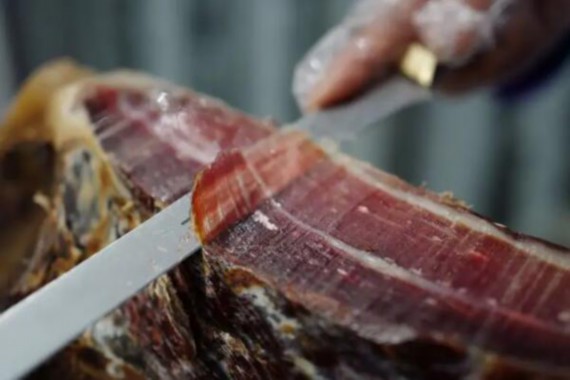
Step One: Locate the joints and separate the major bones
First, carefully observe the structure of the whole bone. You’ll notice it mainly consists of several big bones connected by joints, such as the hip bone and femur. Our goal is to find these joint connections, insert the deboning knife, and cut through the connecting membranes and cartilage. If you encounter harder spots, you can apply some force to pry slightly or use the cleaver to help. Be sure to stay safe during this process; don’t place your hand in the path of the blade’s movement!
Step Two: Trim the meat close to the bone to make the most of it
After dividing the large bones, the job becomes much simpler. Next, use the deboning knife to closely follow the surface of the bone and slice off the ham meat attached, piece by piece. The key to this step is “slow” and “close,” trying to keep the blade aligned with the bone’s curvature to maximize retrieval of all the precious meat. The trimmed meat can be cut into small pieces for stir-fries, pizza toppings, or salad additions — it tastes amazing! Don’t sneak too much away though, or you’ll have none left to use.
A Pleasant Surprise: The Glamorous Transformation of the Ham Bone
Don’t throw away the deboned bone! It’s perfect for making rich broth. Chop the bone into several large chunks and stew it with chickpeas, potatoes, and carrots to make a nutritious Spanish-style hearty soup. The flavor is fresh! My favorite use is for cooking Spanish lentils — the lentils soak up the savory ham aroma and become irresistibly delicious.
That’s all for my complete process of handling how heavy the Spanish ham bone is. I hope this is helpful for everyone! How do you usually make use of ham bones? Feel free to leave comments below and share your secret recipes!
