When I first came to Spain, every time I entered a supermarket and saw rows of hanging legs of ham, I felt completely lost. What’s Serrano, what’s Ibérico, and the prices vary widely— I had no idea where to start. After a few mistakes and consulting many local friends, I finally figured out this Spanish culinary treasure. Today, I’m putting together a beginner-friendly post to help others equally confused!
The Two Main Types: Serrano vs Iberico
Simply put, Spanish ham is divided into these two major types. The key differences lie mainly in the pig breed and feeding method.
Jamón Serrano
This is our most common “everyday ham”, basically the one found in almost every tapas bar and restaurant across Spain. Serrano is made from regular white pigs, mostly raised in enclosures and fed regular feed. It’s affordable, has a salty flavor, firmer texture, and suits everyday meals or sandwiches. You can think of it as the entry-level “Jinhua ham” of Spain. Of course, the taste is completely different though!
Jamón Ibérico
This is the “Rolls-Royce” of the ham world! It uses Spain’s unique black-hoofed pig, known as Pata Negra. This pig’s fat infiltrates the muscle fibers, creating beautiful marbled patterns, so the Spanish ham price differences by variety are justified by its luxuriously oily texture and complex, rich aroma that leaves a lasting fragrance.
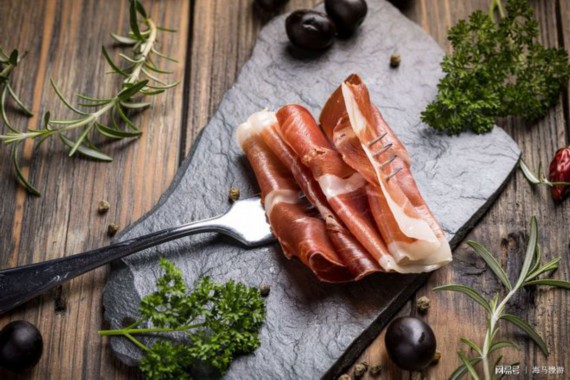
Iberico ham also has strict internal grading, mainly based on pig lineage purity and diet. The government uses different color labels to distinguish these grades— just remember these when buying:
| Color Label | Name | Pig Breed and Farming Method |
|---|
| Black | 100% Ibérico de Bellota | 100% pure Iberico pig, free-range in oak forests, fed only acorns and natural feed. Top tier! |
| Red | Ibérico de Bellota | At least 50% Iberico pig, free-range in oak forests. Also very high quality. |
| Green | Ibérico de Cebo de Campo | At least 50% Iberico pig, free-ranging, fed on grains and natural feed. |
| White | Ibérico de Cebo | At least 50% Iberico pig, farm-raised, fed only grain feed. Entry level Iberico. |
Therefore, you truly get what you pay for when it comes to ham. If you’re just starting, try the white-labeled Ibérico de Cebo or a quality Serrano first. If Spanish ham label differences explained budget allows or for special occasions, definitely try the black or red Bellota labels— their taste will leave you with memories for a lifetime!
Which type do you like best? Have you ever had any bad experiences or special brand recommendations to share? Feel free to leave a comment and join the discussion below!
