Hello neighbors! I recently couldn’t resist and got a whole Iberian ham, thinking I could enjoy this delicacy at home anytime. But… reality was harsher than the ideal. Our consumption rate feels like it would last forever. Seeing the cut surface drying day by day made me anxious! I believe many have faced similar issues, so today I’m starting this post to share the preservation methods I researched and practiced, and of course, all experts are welcome to add their tips!
Preservation of Whole Leg Ham
For those of us who bought a whole leg, the most crucial part is protecting the precious cut surface. Since the ham itself is cured and dried over a long period, it can keep well if hung in a suitable environment like a cool and ventilated place as explained in Spanish ham packaging and preservation. However, once you open it, things get tricky.
Key tip: Use its own fat to protect it! Every time you slice the ham, do not throw away the thick yellow outer fat layer you cut off. Place these fat slices like a lid tightly back on the cut surface. This keeps it moist and prevents excessive oxidation, drying, and hardening. After covering with fat, wrap a clean, odorless cotton cloth or a special ham cover over it to avoid dust and odors. Remember to store it in a cool, ventilated, and dry place—absolutely do not put it in the refrigerator!
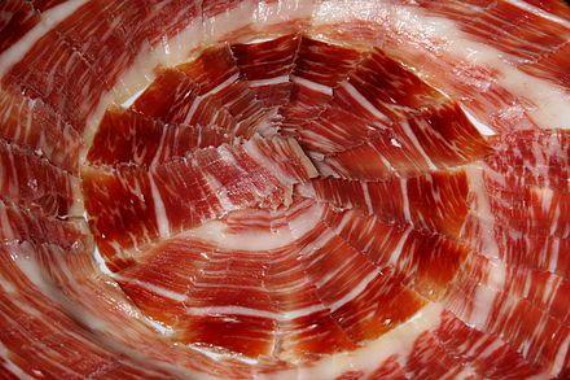
Preservation of Sliced Ham
If you have pre-sliced ham from the store or cut some slices yourself to eat in the next few days, the preservation methods differ. The key is to cut off air exposure and maintain an appropriate low temperature.
If your Spanish ham preservation involves vacuum-packed ham slices from a supermarket, simply refrigerate them unopened following the package instructions. Before eating, take them out about half an hour early to bring them back to room temperature; the fat will become more aromatic and the texture better. For self-cut or opened slices, the best way is to lay the slices flat, separate each layer with cling film, squeezing out as much air as possible, then store them in the refrigerator. This keeps flavor and moisture at best and should be consumed within 3-4 days. A wrong example: applying olive oil to the cut surface.
Quick Summary Comparison
For easy reference, here’s a simple table comparing preservation methods for different ham conditions:
| Ham Type | Recommended Method | Storage Location | Notes |
|---|
| Unopened whole leg | Hanging | Cool, ventilated place | Avoid direct sunlight and heat |
| Opened whole leg | Cover cut surface with own fat, cover with cloth | Cool, ventilated place | Keep cut surface moist, never refrigerate |
| Vacuum-packed slices | Keep in original packaging | Refrigerator | Bring to room temperature before eating |
| Loose or opened slices | Wrap with cling film, squeeze out air | Refrigerator | Consume as soon as possible to prevent flavor loss |
These are my insights—I hope they help everyone. Spanish ham is such a precious product; it would be a pity if improper storage damaged its flavor or caused waste. If you have any unique tips, feel free to leave comments below! 😋
