Every time I return from Spain, my suitcase is never without gifts for relatives and friends, and the most popular item is undoubtedly Spanish ham! Many prefer the convenience of buying it right before departure at the airport. But is buying ham at the airport really worth it? How can you choose wisely without wasting money? Today, speaking from experience, I’ll share some insights about buying ham at the airport.
Airport Ham: Convenience or a “Trap”?
The biggest advantage of buying ham at the airport is its convenience and compliant packaging. The duty-free shops’ hams are primarily prepared for travelers, with very standardized packaging — especially those vacuum-sealed sliced ones, ideal for long flights. However, the downside is clear: prices are higher and the selection limited. Compared to city stores like Carrefour, El Corte Inglés, or specialized ham shops, airport prices are at least 20%-30% more expensive, and brands and varieties mainly focus on a few popular options, making it nearly impossible to find niche gourmet products.
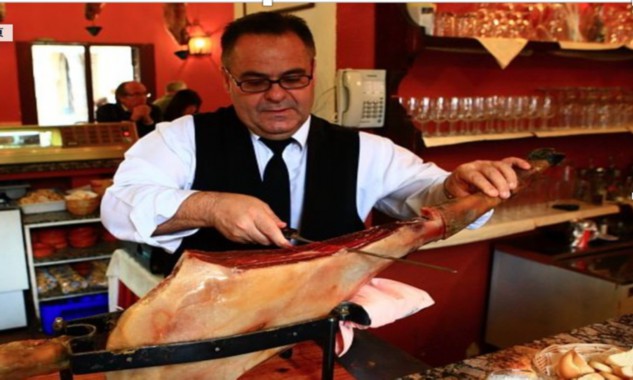
How to Choose Brands and Types?
The most common brands at airports are big names like 5J, Joselito, and COVAP. The quality is guaranteed, so you can buy with confidence. The key is to distinguish between two main types of ham: Jamón Ibérico and Jamón Serrano. I have created a simple table to clarify their differences:
| Feature | Jamón Ibérico | Jamón Serrano |
|---|
| Pig Breed | Iberian Black Hoof Pig | Regular White Pig |
| Flavor | Rich fat, acorn aroma, melts in the mouth | Saltier taste, drier meat, straightforward flavor |
| Price | High | Affordable |
| Grades | Bellota, Cebo de Campo, Cebo | Bodega, Reserva, Gran Reserva |
If your budget allows, go for Jamón Ibérico de Bellota, the highest grade, which makes an impressive gift and a top-notch treat for yourself. For a taste introduction for family and friends, regular Ibérico Cebo or good-quality Serrano Gran Reserva offers excellent value.
Packaging and Customs Considerations
This is the most crucial part! Regardless of the type, always choose vacuum-sealed sliced commercial packaging. This packaging preserves the ham best and facilitates passing customs inspections. Whole bone-in hams are strictly not recommended, as 99.9% will be stopped by customs.
Regarding customs policies, a special reminder: theoretically, according to Chinese customs regulations, any fresh meat products are prohibited from entry. However, Barcelona airport Spanish ham demonstrates that, in practice, small quantities of personal-use vacuum-sealed sliced ham successfully pass through. This always carries certain risks, so evaluate carefully. My advice: do not bring too much at once, just a few packs distributed in your luggage. If inspected, the ham will probably only be confiscated without more severe consequences.
If you missed purchasing Spanish airport ham quality in the city, the airport is indeed a good backup option. Though pricier, it’s more convenient and hassle-free. As long as you do your research in advance, understand brands and types, and ensure it is vacuum-packed, you can find the ham you want. Wishing everyone a pleasant shopping experience and a successful journey bringing this delicious flavor from the Iberian Peninsula back home!
