Dear friends living abroad, whenever you prepare to return home, do you, like me, stuff your suitcase full of various souvenirs? Among them, the most popular and also the most troublesome is undoubtedly the iconic Spanish ham! Relatives and friends all crave it, but whenever customs comes to mind, it’s nerve-wracking. Can you actually bring this? How to bring it? Today, having experienced the pitfalls myself, I will walk you through the latest situation.
We have to face a harsh reality: according to official customs and quarantine regulations, the Catalogue of prohibited animals, plants, and their products for import into China clearly states that meat and its products are forbidden to enter. Yes, you read that right — theoretically all types of ham, whether raw or cooked, whole or sliced, are banned, effectively closing the door tightly.
However! Rules are strict, but enforcement sometimes has a bit of an “artistic” flexibility. Over the years, countless people have tried and learned some practical experience. Customs inspections are usually random checks, with X-rays focusing on shapes. A whole bone-in ham under X-ray shows a very distinctive “signature” and will almost certainly be caught; don’t even think about it. But if it’s sliced ham that’s commercially vacuum-packed by professional machinery in original factory packaging, the situation is quite different.
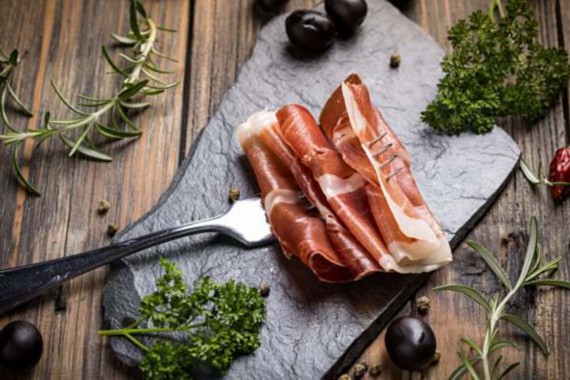
So regarding Spanish Ham Slices Customs, if you really want to bring it, the core advice is two words: keep a low profile. How to keep a low profile? I have compiled a practical guide on [Spanish Ham Entry to Customs] for you:
Practical Tips for Bringing Ham Back Home
Packaging Is Key
Always choose commercial, multi-layer, opaque vacuum packaging, preferably well-known brands bought from supermarkets, with detailed product information on the packaging. This kind of packaging is less likely to be identified as contraband by X-rays and looks more like regular local specialty products. Avoid those simple transparent packages sealed on-site at local meat markets.
Risk Assessment
You can refer to the following table summarizing the risk levels for different types of ham to keep a clear mind:
| Ham Type | Packaging Method | Risk Level | Recommendation |
|---|
| Whole Bone-in Ham | Simple packaging/net bag | Extremely High | Basically no chance Absolutely avoid |
| Whole Boneless Ham | Vacuum packaging | Very High | Also not recommended, too obvious |
| Machine-Sliced Ham | Original vacuum packaging | Medium | Carry small quantities, distribute in luggage |
| Hand-Sliced Ham | Shop vacuum packaging | Low | Most recommended, provided packaging is professional |
Finally, what to do if you get caught. If customs officers ask to open your luggage and find ham, always be polite. Say it is a local specialty for family and you were unaware of the regulations. Usually, for small personal amounts, the worst outcome is voluntarily surrendering and onsite destruction, rarely fines. Never argue with officers, as that only complicates matters.
Bringing ham back home is a “gamble,” but thorough preparation can significantly increase your chances of success. I hope everyone’s ham will arrive home safe and sound! Good luck to all!
