When you just arrive in Spain and walk into a supermarket or ham shop, seeing rows of hanging hams can be a bit dazzling, making it hard to know where to start. Don’t worry—today, let’s talk about how to pick a desired Spanish ham just like a local.
It’s actually not that complicated. Once you understand a few basic concepts, you can easily avoid pitfalls. I was once a beginner too and have summarized some experience to share with you.
The Key First Step: Distinguish the Two Main Types
You should know that Spanish ham mainly comes in two types:
- Jamón Serrano: This is the quality standard of Spanish ham, made from common white pig legs. It’s the most common and affordable type in the market. Its features include high production volume, relatively short curing time, a savory and salty flavor, and relatively firm meat texture. It is great value for everyday snacking with drinks or making sandwiches.
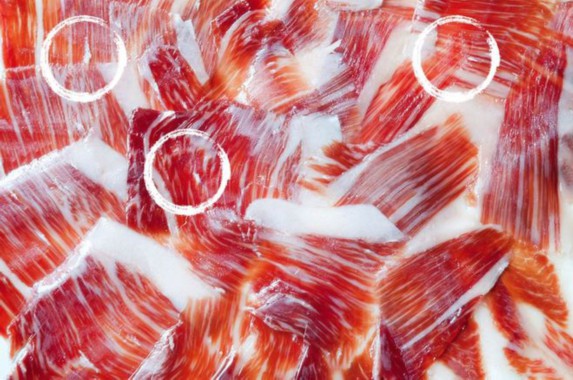
- Jamón Ibérico: This is the “star” of Spanish ham! It’s made from Spain’s unique Iberian black-hoofed pigs. The fat infiltrates the muscle tissue to form a beautiful marbled texture with a richer, more complex flavor and a long-lasting aftertaste. Of course, the price is much higher.
The “ID Card” for Ibérico Ham: Understanding the Color Tags
If you decide to splurge on an Ibérico ham, you must learn to read the plastic tag on its ankle. This is the official certification “ID card,” with colors directly indicating its grade and price, ranked from highest to lowest:
| Tag Color | Purity | Rearing Method | Common Understanding |
|---|
| ■ Black | 100% purebred Iberian black pig | Free-range in oak groves, fed on acorns | Top-tier king, most expensive and best |
| ■ Red | 50% or 75% Iberian blood | Free-range in oak groves, fed on acorns | Less pure bloodline, but top rearing method |
| ■ Green | Over 50% Iberian blood | Pasture-raised, fed natural grains and forage | No acorns, yet fed naturally |
| ■ White | Over 50% Iberian blood | Farm-raised in enclosures, fed only feed | Lowest grade of Iberian ham |
Appearance and Touch: The Secret Weapons of Gourmets
Besides tags, there are a few tips when selecting a whole leg. A good Iberian ham usually has a slender leg shape, a thin ankle, and naturally worn black hooves, indicating the pig spent time roaming in the forest. You can gently press the fatty part of the ham with your finger; if the quality of Spanish ham feels soft and slightly oily, that indicates high-quality fat with a low melting point that melts in your mouth.
Choosing ham is like choosing wine—it’s all about personal preference and budget. Serrano is enough for everyday enjoyment, but if you want to truly experience the essence of Spanish cuisine, you have to try acorn-fed Ibérico ham. I hope this information helps! What kind of ham do you usually buy? Any hidden gem shops to recommend? Feel free to leave comments below and join the discussion!
