After living in Spain for a while, who doesn’t have a Jamonero at home? Every time friends come over for a gathering, slicing some Iberian ham on the spot adds such an authentic touch. But frankly, for those of us not skilled with knives, using that long ham knife can be tricky – the slices end up uneven in thickness and don’t look great. That’s when I seriously considered buying a home ham slicer, and today I want to talk about whether this gadget is really worth it.
Why Do You Want a Ham Slicer?
The most straightforward reason is convenience and professionalism. Machine-sliced ham comes out in uniformly thin slices, as thin as a cicada’s wing, instantly elevating the taste experience by several levels. Especially with those fatty, rich parts—the thin machine-cut slices melt in your mouth. This is a level that no matter how hard you try with Spanish machine ham slicers by hand can reach. Besides slicing ham, these machines can also cut cheese, Italian sausages, and even frozen meat rolls, making them multifunctional and greatly improving kitchen efficiency. Imagine having hot pot at home without buying pre-sliced beef rolls—just buy a piece of meat, freeze it, and slice it yourself. Doesn’t that sound great?
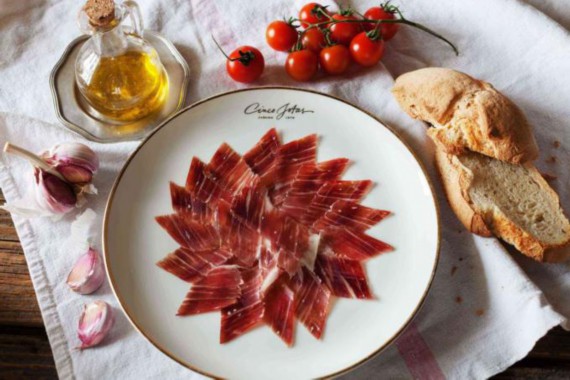
However, the drawbacks are also clear. First, it does take up space, which can be a real issue if your kitchen is already small. Second, cleaning is absolutely something every user complains about. After each use, the blade and tray are covered in oil and must be cleaned immediately; otherwise, the ham fat solidifies and becomes very difficult to remove. Finally, the price: a decent quality home slicer usually costs between 60 to 200 euros, which is not a small expense.
How to Choose the Right Model?
If you’ve decided to get one, how do you pick among the vast array of brands and models? I did some research and found three main parameters to consider: blade diameter, power, and material. Generally, a 19 cm blade diameter is sufficient for home use. The higher the power, the easier it is to slice harder or frozen items. Here is a simple table I made for reference:
| Feature | Basic Home Model | Advanced Home Model |
|---|
| Blade Diameter | 17-19 cm | 22-25 cm |
| Power | 100-150 W | 150-250 W |
| Price Range | €50-100 | €150-300 |
| Recommended Use | Slicing boneless ham, sausages, cheese | Slicing large meat cuts, harder ingredients |
I finally went for a mid-range German brand Graef slicer, about 150 euros, 140W power, 19 cm blade, full metal body, and it feels pretty good. It works wonderfully for slicing Jamón serrano and Chorizo. But seriously, think carefully about how often you’ll use it before buying. If how much does a Spanish ham slicer cost you only buy one or two legs a year, or just occasionally want to slice some sausage, it might not be necessary. However, if you’re a heavy ham lover and always keep various fiambres at home, it will definitely enhance your life satisfaction a lot. Lastly, one reminder: cleaning must be done promptly! Wash it immediately after use! Or you will really regret it!
