For friends new to Spain, have you ever confidently pointed at a whole leg of ham hanging in a restaurant and told the owner you wanted a portion of “Parma ham”? Don’t ask me how I know, this is definitely one of the most common beginner mistakes! In fact, Parma ham and Spanish ham are completely different products.
Simply put, Parma ham is a specialty from Italy, while Spain’s national treasure is called Jamón. Although both are cured hams meant to be eaten raw, they differ greatly in pig breeds, feeding methods, curing processes, and drying times, resulting in completely distinct textures and flavors.
In Spain, hams mainly fall into two categories, the ones you most often see in supermarkets:
Jamón Ibérico
Comes from the rare Iberian black-hoof pig, whose legs are black. Different grades depend on blood purity and acorn feeding percentage, with the highest grade being “bellota,” featuring rich marbling that melts in your mouth.
Jamón Serrano
Comes from ordinary white pigs, produced in larger quantities and more affordable, commonly found on Spanish family tables. Its color leans pink and the texture is firmer.
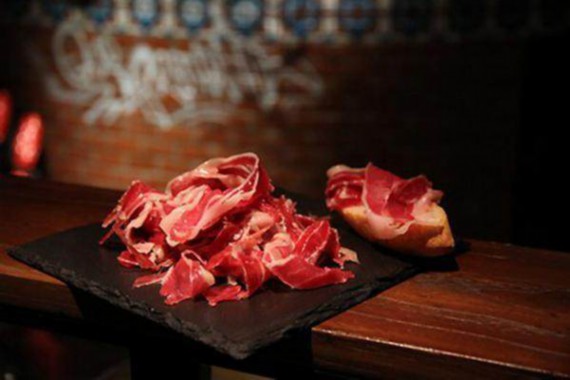
To help you understand more intuitively, here is a simple comparison table:
| Feature | Spanish Jamón Ibérico | Spanish Jamón Serrano | Italian Parma Ham |
|---|
| Pig Breed | Iberian black-hoof pig | Ordinary white pig | Specific white pig breed |
| Ingredients | Sea salt | Sea salt | Only sea salt |
| Drying Time | 24-48 months or longer | Usually 12-18 months | Usually 12-24 months |
| Texture & Flavor | Oily, rich, nutty aroma, melts in mouth | Savory, firmer texture | Slightly sweet, soft and moist |
So next time you want Spanish ham, just ask for “Jamón”! If you want to splurge, order “Jamón Ibérico”; for everyday meals, “Jamón Serrano” offers great value. Which type do you usually prefer? Any brand recommendations or restaurants for the most authentic experience? Feel free to share in the comments below!
