For those just arriving in Spain, have you ever felt completely confused like me the first time walking into Mercadona or Carrefour, standing in front of a huge wall of hams? Red, black, green labels; packages marked Serrano, Ibérico; prices ranging from a few euros to dozens — which one should you buy? Today, let’s talk about this Spanish “national snack” — ready-to-eat sliced ham.
The Two Major Ham Factions: Ibérico vs Serrano
Simply put, Spanish ham is mainly divided into two types: Jamón Ibérico and Jamón Serrano. The former is the “noble” choice, while the latter is more “commoner,” with the main difference lying in the pig breed and feeding method.
| Feature | Jamón Ibérico | Jamón Serrano |
|---|
| Pig Breed | Iberian black-hoofed pig | Common white pig |
| Feeding Method | Acorns, grains, free-range in natural pastures | Mainly grain-fed |
| Flavor | Rich fat that melts in your mouth, with nutty aroma | Leaner texture, salty and direct flavor |
| Price | Expensive | Affordable |
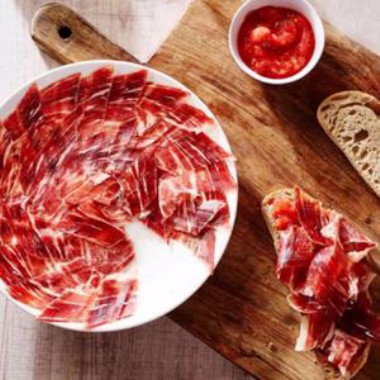
Understanding the “ID Card” of Jamón Ibérico: The Four-Color Labels
If you decide to “splurge” on Iberian ham, you must understand the colorful small labels on the packaging, as they directly determine its quality and price:
- Black Label: Top grade! 100% purebred Iberian black pig, raised in acorn woodlands, feeding on acorns. The flavor is outstanding, and of course, the price will make your
wallet burn. Check out more details on the Spanish ready-to-eat ham.
- Red Label: Crossbred Iberian pig, also acorn-fed in woodlands. Excellent quality and a great value choice.
- Green Label: Iberian pig fed with grains and natural feed while having access to pasture, but not exclusively acorn-fed.
- White Label: Iberian pig raised in farming facilities, fed mainly grains. This is the entry-level option among Spanish ready-to-eat Iberian hams.
My Tips on Buying and Tasting
For beginners, I personally suggest starting with Jamón Serrano Reserva or white/green label Jamón Ibérico de Cebo. They are affordable and help you develop an initial taste recognition. After purchasing, remember to take the ham out of the fridge 15–20 minutes before eating so it reaches room temperature. This allows the fat to soften slightly, fully releasing the aroma and delivering the best texture. Eating it cold straight from the fridge will significantly diminish the flavor!
In the world of ham, choices are personal. Whether paired with a simple slice of Pan con tomate or a small glass of red wine, this little slice of ham instantly elevates happiness. Which ones do you usually buy? Feel free to share your thoughts below!
