For newcomers to Spain, the rows of large hams hanging in supermarkets are often a source of curiosity. That rich, melt-in-your-mouth Jamón Ibérico is simply an exquisite delicacy! But do you know the long and meticulous process behind this flavorful treat? Today, let’s explore the journey of creating a top-quality ham together!
This is not just about hanging a pig leg to dry casually; the whole process is filled with the wisdom of Spanish artisans and a deep respect for time. From a carefully selected Iberian black pig to the masterpiece on our table, it takes at least 2 to 4 years or even longer.
The Magical Journey of Ham Production
Step One: Salting and Cleaning
Fresh hind legs are completely covered with sea salt and buried for curing. This crucial step aims to dehydrate and preserve the meat. Depending on the ham’s weight, the salting period lasts about 10 to 15 days, during which temperature and humidity are carefully controlled. After salting, the ham must be thoroughly washed with warm water to remove surface salt, or else it would be unbearably salty! More salt equals better taste is definitely a misconception.
Step Two: Resting and Balancing
The cleaned ham is then placed in a low-temperature, high-humidity room to rest for 40 to 60 days. This stage allows salt to gradually and evenly penetrate inside, while the surface slowly dries in preparation for the next drying phase.
Step Three: Drying and Maturation
This is the key stage where the ham’s flavor develops! The ham is moved to a well-ventilated drying room and hung for at least 6 to 9 months. With seasonal temperature and humidity variations naturally regulating the process, the fat slowly melts and seeps into the muscle fibers, creating that unique aroma and succulent texture. Watching rows of hams quietly hanging is truly a spectacular sight.
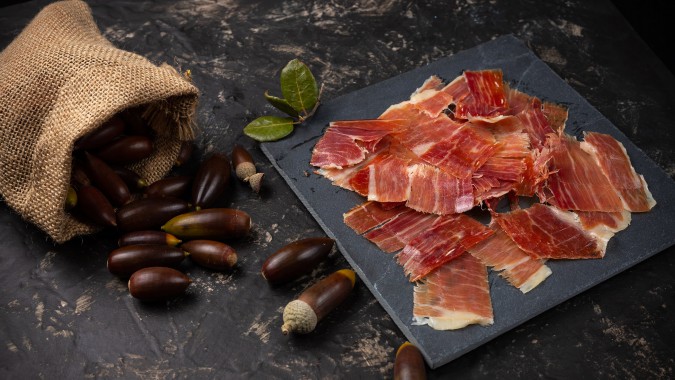
Step Four: Cellar Aging
Finally, the ham is transferred to a cellar known as a “Bodega” for final aging. This process takes at least one year. The cellar’s stable temperature and humidity, combined with the slow action of microbes, produce extremely complex and delicate aromas such as nuts, floral notes, and roasted scents. An experienced ham master uses a thin bone needle to pierce different parts of the ham and assesses its readiness by smelling it through the Spanish ham import process.
To help everyone understand the different grades of Iberian ham, here is a simple table:
| Grade | Breed and Feeding Method |
|---|
| Black label | 100% Iberian black pig, free-range in oak groves |
| Red label | 50% or 75% Iberian pig, free-range in oak groves |
| Green label | Iberian pig, mixed pasture and feed |
| White label | Iberian pig, grain-fed in pens |
Every step, from start to finish, embodies painstaking effort. Knowing the production process adds an extra layer of appreciation when tasting the ham, doesn’t it? What type of ham do you prefer? If you have recommended brands or trustworthy purchase sources, feel free to share and discuss below!
