If you are new to Spain and step into a supermarket seeing rows of spectacular hams, it can be a bit overwhelming. Prices range from tens of euros for a whole leg to several hundreds or even thousands, which is a huge difference! Don’t worry, today let’s talk about the price of this Spanish “national treasure,” especially the Iberian ham.
First, it’s important to distinguish between two basic concepts: Serrano ham and Iberian ham. Simply put, Serrano comes from ordinary white pigs, is budget-friendly, and suitable for everyday cooking or sandwiches. Meanwhile, Iberian ham is made from Spain’s unique Iberian black-hoofed pigs, with more marbling and richer flavor, and naturally commands a much higher price. Our focus today is on the latter.
Main Grades and Prices of Iberian Ham
The price of Iberian ham mainly depends on the pig’s breed purity, feeding method, and curing time. To regulate the market, the government uses different colored labels to clearly differentiate grades. I have compiled a simple table from Spanish ham slicing prices for your reference:
| Label Color | Grade | Feeding Method | Reference Price |
|---|
| White | Cebo Ibérico | Farm-raised, fed on grains and feed | €25 - €40 |
| Green | Cebo de Campo Ibérico | Semi free-range, fed on grains and natural food | €40 - €60 |
| Red | Bellota Ibérico | Free-range, acorn-fed during season, 50% or 75% Iberian bloodline | €60 - €90 |
| Black | 100% Ibérico de Bellota | Free-range, acorn-fed during season, 100% pure Iberian pig | €90 - €150+ |
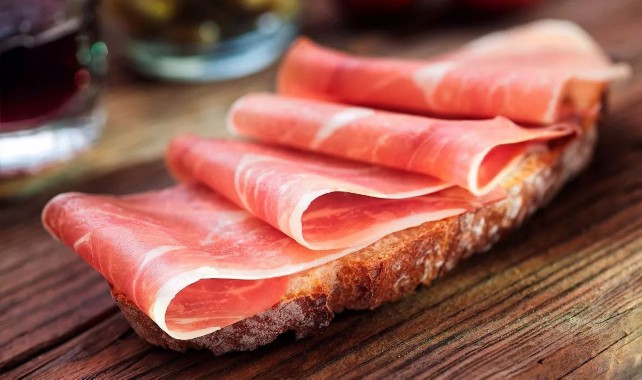
Whole Leg vs. Packaged Slices
Should you buy a whole leg or sliced packaging? That’s another question. Buying a whole leg offers the most cost-effective price per kilogram, and slicing it fresh when guests arrive has a special ceremonial feel. However, it requires a dedicated ham holder and a long knife, plus slicing is a skill that can be tricky and wasteful if done poorly. Packaged slices, though more expensive, are convenient, ready-to-eat, and offer consistent quality. For whole Spanish ham leg prices, for most households, I personally think buying slices is more practical. Of course, if you’re wealthy, whatever you like!
Finally, let’s talk about purchase channels. For everyday consumption, buying white or green label ham at large supermarkets like Mercadona or Carrefour is sufficient and cost-effective. If you want to try higher-quality acorn-fed ham or buy a gift, it’s better to go to a specialty ham shop, where experts can give professional advice and vacuum pack it for you. Where do you usually buy ham? Have you ever had any bad experiences or recommendations for brands? Feel free to leave a comment below to share and discuss!
