I’ve been living in Spain for a few years now, and I truly feel that ham is at the heart of local food culture here. Whether it’s the must-visit ham museums for tourists or the small tapas snacks at local bars, you can’t miss those few slices of bright red, oily Jamón. I personally love eating it and always bring a few packs back home as gifts, which my relatives and friends eagerly compete for. Recently, on a whim, I started thinking maybe this could be a promising business direction?
I feel this market has considerable potential, especially within the Chinese community and the domestic market. High-end Jamón Ibérico from black Iberian pigs, beautifully packaged, is itself a symbol of status and taste, making it perfect for gift business. Meanwhile, the cost-effective Jamón Serrano can enter the daily consumption scene, like opening a small ham specialty store, a Tapas Bar, or doing online retail—there seems to be room to grow in these areas. Unlike some Spanish ham store franchises business, which have competition that is heated to the point of intensity, this field of ham appears to still hold many opportunities.
Several Business Models I’ve Researched
I did some preliminary research and found a few ways to enter this industry. I compiled a simple table for us to reference and discuss together:
| Model | Advantages | Disadvantages |
|---|
| Brand Franchise | Established brand, supply, and training support, quick startup. | Limited freedom, franchise fees, profit sharing. |
| Regional Agency | Exclusive agency rights, relatively larger profit margins. | High capital and channel requirements, sales pressure. |
| Own Brand | Fully independent, maximized profits, brand has creative potential. | Starting from scratch; sourcing, quality control, and market all need to be explored independently. |
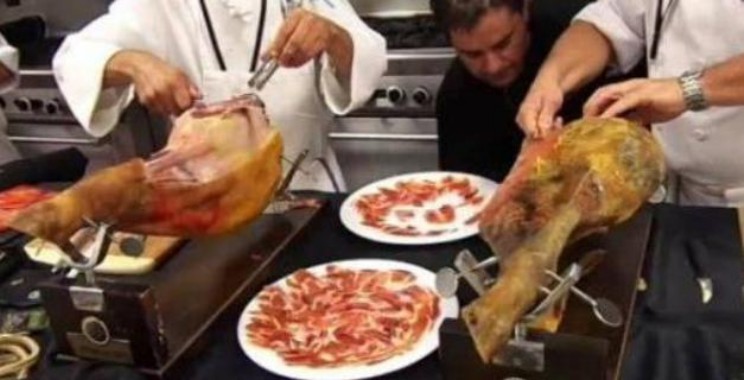
This isn’t something you can just jump into without thinking. A few unavoidable key points came to mind: the supply is core. Finding a stable, high-quality ham supplier is crucial, as it directly determines your reputation and repeat customers. Next is professional knowledge: how to distinguish hams from different producing regions and grades? How to store them? Especially the skill of hand-cutting ham, which is a real craft—how well it’s cut directly affects taste and value. There are also relevant food operation permits and import-export qualifications. If you want to franchise a Spanish ham brand and grow big, these are must-haves.
So, I’m posting this mainly to spark discussion and share my “outsider” rough thoughts on the matter. On the other hand, I’d like to ask if there are any veterans currently in the ham business or other friends interested in this field here on our forum? Everyone can share information, exchange experiences, or warn about pitfalls. For example, which brand’s franchise policy is better? Where to find reliable suppliers? How much startup capital is roughly needed? Feel free to speak out—maybe we can spark some cooperation ideas together!
