Hello everyone, recently while chatting with friends, I noticed a phenomenon: regardless of the economy’s state, the ham shops on the streets of Spain always seem to have business. Seeing the windows filled with shiny, hanging legs of ham, and the seasoned master calmly slicing paper-thin ham slices always makes one curious: how profitable is this business really? Out of professional curiosity, I spent some time researching and today I’m sharing my personal analysis—welcome any experts to correct me.
Core Cost Components
If you want to open a ham-themed tavern or specialty shop, the main upfront and ongoing costs boil down to three big expenses: rent, labor, and raw materials. Rent needs no explanation; prices in downtown Madrid and Barcelona differ drastically from those in smaller southern towns. The key factors are the latter two. A professional ham carver is not only skilled but the soul of the shop, and their salary isn’t low—usually between €1500 and €2500 or even higher monthly. The crucial raw material—the ham—ranges widely in price from tens of euros for Serrano ham to over a thousand for top-notch acorn-fed Iberian black-hoof ham. An 8-kilogram premium ham could cost over €500 wholesale.
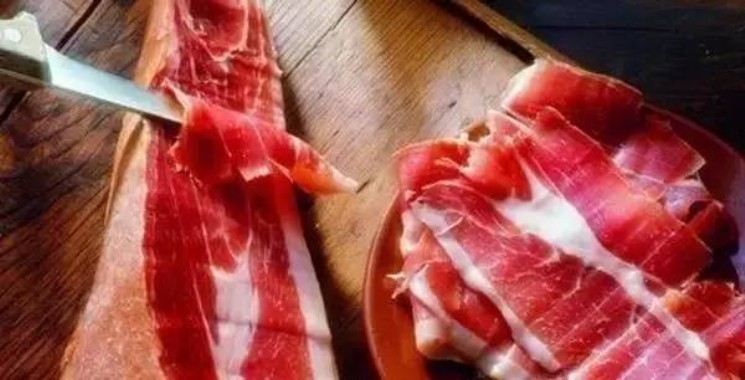
Where Do Profits Come From?
The main profit in ham shops comes from “breakdown sales,” which add significant value. Selling a whole leg of ham yields limited profit, but slicing it into plates changes the pricing completely. I put together a simple gross profit estimation table for you to get a sense:
| Item | Estimated Cost per Serving | Common Price | Gross Profit | Gross Margin |
|---|
| Premium Iberian Ham | 6.0 | 25.0 | 19.0 | 76% |
| Regular Iberian Ham | 3.5 | 18.0 | 14.5 | 80% |
| A Glass of Rioja Red Wine | 0.8 | 3.5 | 2.7 | 77% |
| Manchego Cheese Portion | 1.5 | 8.0 | 6.5 | 81% |
As shown in the table, the gross margins on wine, cheese, and ham are all very attractive, typically above 75%. This doesn’t even include the higher average spending from tourists. Of course, this is just gross profit, excluding rent, utilities, labor, waste, etc. Waste is especially critical—the bones and difficult-to-slice parts can be significant at the end, which tests the carver’s skill and the store’s ability to utilize leftovers.
Keys to Operational Success
So, according to the Spain Ham Purchase Channel Analysis, is it enough just to open a store to make money effortlessly? Certainly not. This business highly depends on several key points. First is location; tourist areas and upscale local neighborhoods are preferred, as foot traffic directly impacts survival. Second is having a professional ham carver, who not only must have excellent slicing skills to maximize meat yield but also interact with customers, tell stories, and sell the culture. Third is the product mix; selling only ham isn’t enough—you have to pair it with quality wines, cheeses, olive oil, etc., to promote combo purchases and increase average customer spending. Many successful shops actually earn more profit from wine than ham itself.
If Analyzing the Prospects of Selling Spanish Ham is precise and management is sound, opening a ham restaurant in Spain can indeed be a reasonably profitable business. It isn’t as physically demanding as a Chinese restaurant but requires much professionalism and cultural understanding. This business sells not just food but an authentic Spanish cultural experience. Are there any forum members engaged in this industry? Or any thoughts on this business? Feel free to discuss and share! Anyway, I don’t have the funds to open one, so I’m just indulging my curiosity.
