Dear veterans living in Spain, I’m new here. A few days ago, I finally decided to bring home a Jamón Serrano from Carrefour, dreaming of enjoying “ham freedom” every day. However, after hanging it in the kitchen for only a few days, I took a closer look today and oh my! White and even slightly gray-green “fuzz” appeared on the surface of the ham. My mindset collapsed instantly—did I just waste tens of euros?
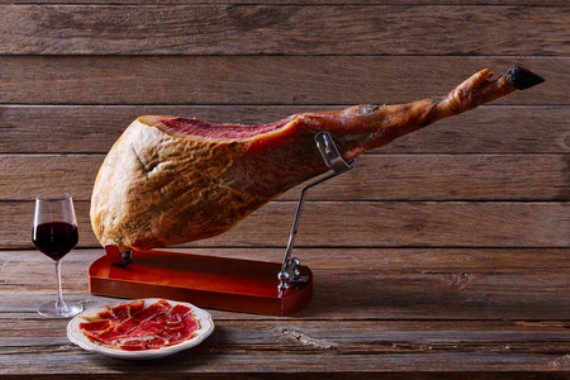
In a hurry, I quickly googled and asked my Spanish neighbor, who calmly told me: “Tranquilo, es normal.” It turns out that during the natural air-drying and curing process of high-quality Spanish ham, a harmless layer of mold naturally forms on the surface. This colony marks the formation of the ham’s flavor and protects the meat inside during maturation. So, if you see white or bluish-green mold, don’t panic—it’s actually a proof of its natural and handmade quality!
Proper Handling Steps
Now that we know the principle, handling it is simple. My neighbor taught me a very authentic method that works well, which I’m sharing here in Spanish Ham Mold Growing:
Prepare Tools: A clean kitchen cloth or paper towel and extra virgin olive oil. Never rinse directly with water! Water makes the ham damp, encouraging harmful bacteria growth.
Wipe the Mold: Pour olive oil onto the cloth, let it soak, then gently but firmly wipe the moldy spots on the ham repeatedly. You’ll find the mold comes off easily.
Oil Protection: After wiping the mold clean, apply a thin layer of olive oil over the entire ham surface with the oil cloth. This oil layer isolates air, prevents oxidation, and inhibits rapid new mold growth.
Not all mold is a “friend.” If your Spanish Ham Mold shows strange colors or odors, be cautious. I have prepared a simple table to help quickly identify:
| Mold Type | Color | Handling Suggestion |
|---|
| Benign Mold | White, blue-green, gray | Normal; wipe with olive oil |
| Warning Mold | Black, yellow, dark green | Not recommended to eat; if small area, cut out thick surrounding layer; if large or foul smell, discard immediately! |
Having some “benign” mold on your ham is like blue veins in cheese—it’s part of the flavor. As long as you clean it properly, it won’t affect eating at all. I hope my little experience helps fellow ham beginners! If you have other ham care tips, feel free to share below!
