Hello neighbors! A few days ago, I couldn’t resist buying a whole Cebo de Campo Ibérico on sale. It’s now hanging in my kitchen filling the air with an irresistible aroma. But here’s the problem: such a big ham will take months to finish, and over time I’m afraid I’ll forget when I started slicing it or what exact grade it is. So I decided to make it a personalized “ID card”—an information label! I’m also sharing the process with you all, super simple and practical. You can check out the Spanish ham buying labels for reference.
Many might think it’s unnecessary, but believe me, a good label is an essential tool for any ham management expert. The most important info is the slicing date, as this directly affects how you track flavor changes and the ideal tasting period. Also, if you have several hams at home, labels help you clearly distinguish different breeds, grades, and vintage, avoiding confusion.
What to Write on the Label?
The core of making a label is to clearly record the key information. I compiled a table based on Spanish ham label guide, including required and optional fields. Feel free to adjust according to your needs.
| Item | Suggestion | Notes |
|---|
| Ham Type | Ibérico / Serrano | Basic classification |
| Grade/Farming | Bellota, Cebo de Campo, Cebo | Required for Iberian ham |
| Region | Guijuelo, Jabugo, etc. | Optional, for connoisseurs |
| Slicing Date | YYYY/MM/DD | Most important! |
| Purchase Date/Price | YYYY/MM/DD / XX.XX€ | Optional, useful for repurchasing and cost calculations |
| Estimated Consumption Period | 2-3 Months | Reminder not to let it expire |
Design and Production Tips
Design is flexible. Use a sturdy piece of cardstock or even cut a piece from a shipping box. Punch a hole at the top and thread a cotton or hemp string through it for a vintage feel. To prevent staining from the ham’s oils, you can cover the label with transparent tape after writing, or slip it into a small clear plastic bag for waterproof and greaseproof protection — it works great!
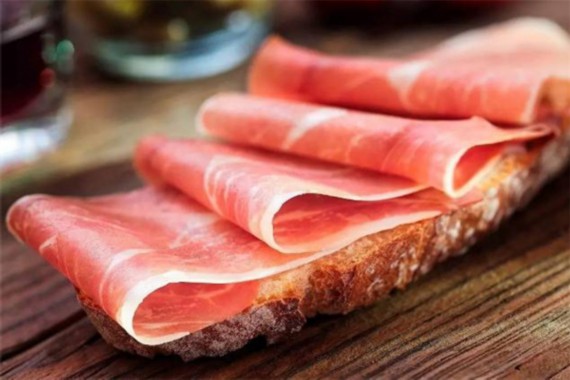
See, that’s roughly how it looks, hanging on the ham it instantly looks professional, right? The whole process takes less than ten minutes but offers long-term convenience. From now on, every slice you cut, you’ll know its full “life story”. Hope this little tip helps everyone! No more worrying that my mom might stew my 5J ham like regular Serrano! Do you have better methods or cooler label designs? Feel free to share in the comments below!
