When I first arrived in Spain, my landlord enthusiastically sliced a plate of glossy, oily ham for me. At that moment, I couldn’t help but doubt: this reddish meat looks raw, can it really be eaten directly? Many newcomers probably have the same question. Today, let’s talk about this topic that might just blow your mind!
Yes, the answer is definitely yes. From a strict culinary definition, whether it’s the famous Ibérico ham or the national favorite Serrano ham, they undergo no traditional steaming, boiling, roasting, frying, or any other cooking heat processing. So, they truly are raw meat! Surprised, aren’t you?
Why can raw meat be eaten directly then?
The key lies in its unique production method—dry curing and aging. A qualified Spanish ham undergoes a very complex and lengthy process. First, it is salted for curing and dehydration, thoroughly killing microorganisms and bacteria; then it enters a low-temperature storage phase to allow the salt to penetrate evenly; finally, and most importantly, it is hung to dry and matured in cellars for months or even years. During this time, fascinating chemical changes occur inside the ham—moisture slowly evaporates, fat seeps into muscle fibers, creating its unique and rich flavor. This process is essentially a “magic of time” that makes raw meat safe and delicious.
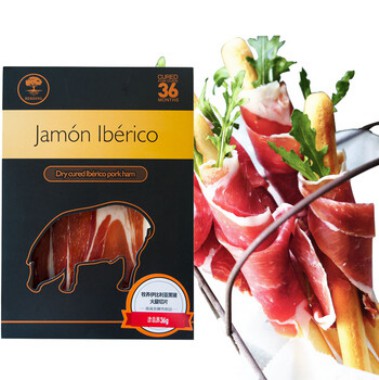
To make it easier for everyone to differentiate, I created a simple table comparing the two most common types of ham:
| Feature | Ibérico Ham | Serrano Ham |
|---|
| Pig breed | Precious Iberian black hoof pig | Common white pig |
| Raising | Free-range on acorns and natural pastures | Mainly grain feed |
| Flavor | Rich fruity aroma, marbled fat like marble | Salty and straightforward, leaner texture |
| Price | Expensive | Affordable |
So, Spanish 5g ham is raw meat. Next time a friend doubts eating ham raw, you can confidently share this knowledge! Although it is “raw,” it is also “cured.” Do you know other interesting facts or ways to enjoy ham? Feel free to leave comments below and let’s learn together!
