For those newly arrived in Spain, do you experience the same dilemma I did—walking into a supermarket and confronted with row after row of spectacular hams, instantly overwhelmed by choices? Serrano, Ibérico, Bellota… all these terms can be confusing, and that’s before even figuring out where to buy without getting ripped off. As someone who has learned from many past mistakes, today I’ll share the main channels for buying ham in Spain, hoping to help you out!
Main Purchasing Channels Comparison
1. Large Chain Supermarkets
Stores like Mercadona, Carrefour, Lidl, and El Corte Inglés are arguably the most convenient and quick places to buy. The advantages are transparent pricing, frequent discounts, and a wide selection—from sliced ham packs costing just a few euros to whole legs of ham. Perfect for everyday family consumption—grab some sliced ham for sandwiches or with melon; it’s convenient and affordable. The downsides are that the quality options for whole legs are somewhat limited, and supermarket staff usually aren’t ham experts, so professional advice is hard to come by.
2. Traditional Markets
This is absolutely the most authentic and lively choice! Every city has its central market, where the ham shops are real treasures. Here, you can watch professional ham masters slice paper-thin pieces of ham with long knives, and just watching this process is a delight. The biggest benefit is that you can try samples! You can simply tell the owner you want to taste something, and they are usually happy to oblige. The quality is generally higher than supermarkets, especially for Iberian ham. The downside might be slightly higher prices, and it helps to have some basic Spanish.
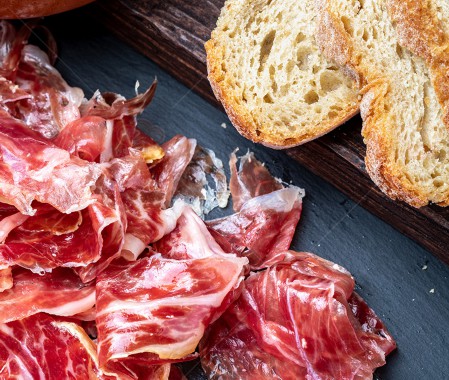
3. Ham Specialty Shops
If you are a ham enthusiast or want to buy high-quality ham as a Spanish ham sourcing channel gift, specialty shops are your best choice. The staff at these Spanish ham purchasing channels are experts and can explain clearly the differences between production areas and ham grades—from breeding methods to curing years, they know it all. Here you can get the top-tier 100% Iberian acorn-fed ham. They also provide professional vacuum packaging services, convenient for taking ham home. Of course, quality comes at a price, so expect these to be the priciest options.
Quick Guide for Beginners
To help you understand at a glance, I made a simple table summarizing the features of each channel:
| Purchase Channel | Cost-effectiveness | Quality Selection | Expertise | Experience |
|---|
| Large Supermarkets | ⭐⭐⭐⭐⭐ | ⭐⭐⭐ | ⭐⭐ | ⭐⭐ |
| Traditional Markets | ⭐⭐⭐⭐ | ⭐⭐⭐⭐ | ⭐⭐⭐⭐ | ⭐⭐⭐⭐⭐ |
| Specialty Shops | ⭐⭐⭐ | ⭐⭐⭐⭐⭐ | ⭐⭐⭐⭐⭐ | ⭐⭐⭐⭐ |
| Online Purchase | ⭐⭐⭐⭐ | ⭐⭐⭐⭐⭐ | ⭐⭐⭐ | ⭐⭐ |
Some Personal Tips
Finally, here are a few of my personal experiences:
- Don’t hesitate to ask for a taste: at markets and specialty shops, be bold — just say
¿Puedo probar? It’s your right as a customer!
- Hand slicing beats machine slicing: although it’s pricier, hand-cut ham better preserves the fat and flavor, and the texture is on a completely different level.
- Look for aesthetics when buying a whole leg: check if the hoof is slender, if the color is dark, and if the fat distribution on the leg is even. Fat is the soul of ham!
- Don’t be tempted by cheap deals: when I first arrived, I bought a discounted Serrano that was dry and salty—
a truly regrettable experience. Good ham is worth the money!
I hope these tips are useful for those new to Spain. Where do you usually buy your ham? Any recommended stores or brands? Feel free to join the discussion below!
