When I first arrived in Spain, every time I entered a supermarket or visited a market, I was amazed by the countless hams hanging everywhere. Looking at the various labels: Serrano, Ibérico, Bellota… it was quite overwhelming. Just picking one randomly, the taste varies drastically. I’m sure many have shared my confusion, so today I want to share from experience how to truly understand Spain’s culinary heritage—Jamón.
Ibérico vs. Serrano: It’s Not Just About “Black Pig” and “White Pig” Differences
We need to clarify the two main categories: Jamón Ibérico and Jamón Serrano. The easiest way to distinguish them is by their hooves. Ibérico ham comes from black-hoofed pigs, so Spanish traditional culinary ham is also called “Pata Negra.” But their differences go far beyond that—from the pig breed, feeding method, to curing time, these are two completely different paths, directly determining flavor and price. I made a simple table for you to grasp it intuitively:
| Characteristic | Jamón Ibérico | Jamón Serrano |
|---|
| Pig breed | Iberian black-hoofed pig | Common white pig |
| Feeding | Acorns, natural pastures, grain feed | Mainly grain feed |
| Fat | Rich, marbled fat penetrating muscles | Less fat, mainly external |
| Flavor | Complex, nutty aroma, long aftertaste | Salty and straightforward, firmer texture |
| Price | Expensive | Affordable |
The “ID card” of Ibérico ham: Understand the Four-Color Tags
If you decide to indulge in Ibérico ham, you must learn to read the plastic tag hanging from the leg. This is the official grade certification; different colors represent the pig’s bloodline purity and feeding methods, directly determining the ham’s quality:
- Black Tag: The highest grade! 100% purebred Iberian black pig, and Spanish traditional fermented ham raised exclusively on acorns in oak forests. This is the true “acorn ham,” with the top oil fragrance and nutty flavor.
- Red Tag: At least 50% Iberian pig bloodline, also raised on acorns. The quality is excellent and the best value choice.
- Green Tag: Iberian pig, but not fed acorns in the wild; raised on grain and pasture.
- White Tag: Iberian pig raised on farms fed purely with grain — the entry-level Ibérico ham.
How to Eat It Authentically?
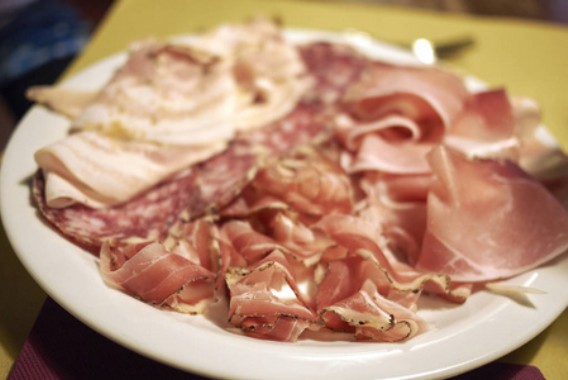
The best way to taste it is plain, without any additions! Make sure the ham has returned to room temperature so the fat slightly melts and the aroma fully releases. Thinly sliced ham, almost like a cicada’s wing, placed directly into your mouth with your hand to feel the fat melt on your tongue — it’s absolutely delightful! Of course, the classic pairing is a slice of toasted bread, spread with some tomato and olive oil, creating a perfect breakfast or tapa. Paired with melon or a glass of dry sherry, it’s an excellent combination that balances the salty flavor of the ham.
After all this, the world of ham is vast and profound. The best way to learn is to taste more and compare. Which region or grade of ham is your favorite? Have you experienced any unforgettable Jamón in Spain? Feel free to leave your thoughts below! I’ve already prepared to go buy another pack downstairs to satisfy my craving.
