When I first came to Spain, every time I entered a supermarket or visited a farmers’ market, I was amazed by the abundance of hanging ham legs. Looking at the labels with all kinds of names: Serrano, Ibérico, Bellota… it was overwhelming. Just buying a pack at random, the taste could vary drastically. I believe many people have had the same confusion as me. Today, I want to share my experience and help you understand Spain’s national treasure—Jamón.
Ibérico vs. Serrano: More Than Just ‘Black Pig’ and ‘White Pig’
We need to clarify the two biggest groups: Jamón Ibérico and Jamón Serrano. The simplest way to distinguish them is by looking at the pig’s hoof. Ibérico ham uses black-hoofed pigs, so the Spanish traditional ham is also known as “Pata Negra”. But their differences go far beyond that—from breed, feeding methods to curing time, they follow entirely different paths, which directly affects their flavor and price. Here’s a simple table so you can visually grasp the differences:
| Feature | Jamón Ibérico | Jamón Serrano |
|---|
| Pig Breed | Iberian black-hoof pig | Common white pig |
| Feeding | Acorns, natural pasture, grain feed | Mainly grain feed |
| Fat Content | Rich, marble-like, permeates the muscle | Less, mainly external |
| Flavor | Complex, nutty aroma, long aftertaste | Salty and straightforward, firmer texture |
| Price | Expensive | Affordable |
The “ID Card” of Ibérico Ham: Understanding the Four-Color Labels
If you decide to indulge a little and buy Ibérico ham, you must learn to read the plastic tags hanging on the leg. These are official quality certifications. Different colors represent the pig’s breed purity and feeding method, which directly determine the ham’s quality:
- Black Label: The highest grade! 100% purebred Iberian black pig raised exclusively on acorns in oak forests, as described in the Spanish traditional fermented ham. This is the true “acorn ham” with top-tier buttery and nutty flavors.
- Red Label: At least 50% Iberian lineage, also raised on acorns. Excellent quality and the best value choice.
- Green Label: Iberian pigs not fed on acorns but on pasture with grains and grass.
- White Label: Iberian pigs fed exclusively with grain in farms, representing the entry-level Ibérico ham.
How to Eat It Authentically?
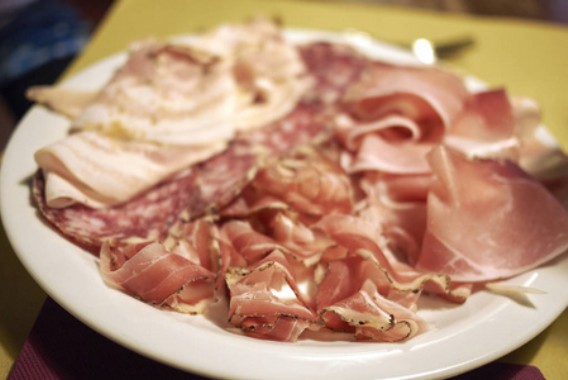
The best way to taste it is actually plain—no additions! Always let the ham reach room temperature, so the fat softens slightly and the aromas fully develop. Thin slices as delicate as cicada wings, picked up by hand and placed in your mouth, letting the fat melt on your tongue—that taste… simply amazing! Of course, the classic pairing is with a slice of toasted bread, topped with some tomato and olive oil, making a perfect breakfast or tapa. It also pairs wonderfully with melon or a glass of dry sherry, which balance the ham’s salty richness beautifully.
Having said all that, the world of ham is vast and profound; the best way to learn is by tasting more and comparing. Which region or grade of ham do you like the most? Or have you ever had a Jamón in Spain that left an unforgettable impression? Feel free to share your thoughts below! Anyway, I’m ready to head to the supermarket downstairs to grab another pack to satisfy my craving.
